Cooking Basics
How to Season Food as You Cook Without Making It Too Salty
A practical guide to seasoning food in stages, tasting at useful checkpoints, and knowing when a dish needs salt, acid, spice, or a finishing touch instead of simply adding more.
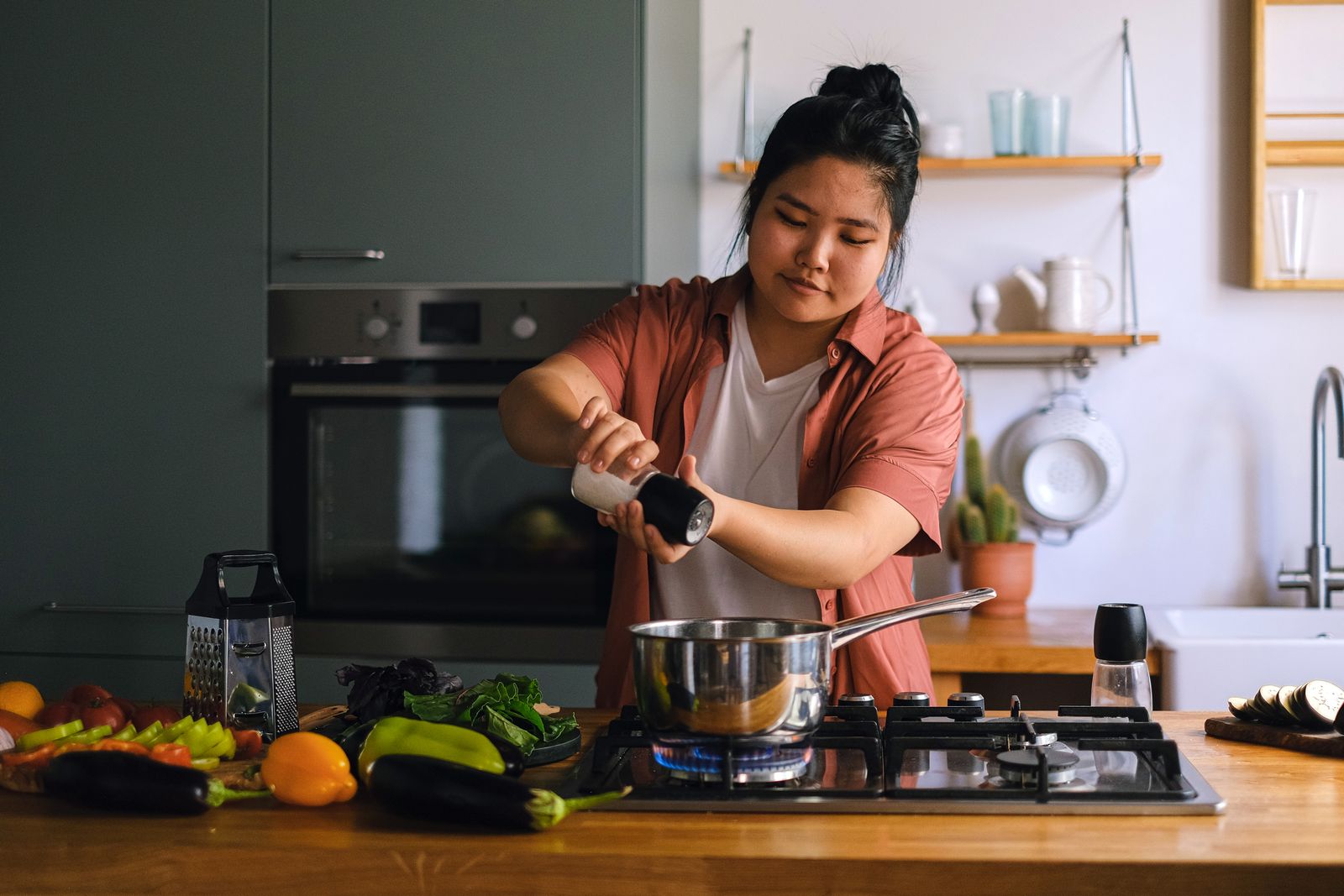
Seasoning is a process, not one final step
A common way to think about seasoning is to cook the entire dish and add salt at the end. That can work, but it often produces food that tastes salty on the surface while the ingredients underneath still taste flat. Seasoning in smaller stages gives flavor time to become part of the dish instead of sitting on top of it.
This does not mean salting every ingredient heavily. It means making modest adjustments as the dish changes. Onions may need a small amount while they soften. A sauce may need another adjustment after liquid is added. The finished dish may need only a final pinch, or it may need something other than salt entirely.
The useful habit is simple: season lightly, cook, taste when it is safe and practical, then decide what the next adjustment should be.
Start lighter than you think you need
Salt is easy to add and difficult to remove. Early in cooking, use enough to begin building flavor without trying to reach the final seasoning immediately. This is especially important in soups, sauces, braises, and other dishes that will simmer and lose water.
As liquid reduces, salt and other seasonings become more concentrated. A sauce that tastes only mildly seasoned at the beginning may taste completely different after twenty or thirty minutes of cooking. Leaving room for later adjustment gives you control.
A restrained first addition also matters when a recipe contains salty ingredients such as broth, cheese, soy sauce, cured meat, olives, pickles, or canned foods. Let those ingredients contribute before deciding how much additional salt the dish needs.
Taste at useful checkpoints
Constant tasting is not necessary. A few well-timed checkpoints are more useful. Taste after the main ingredients have cooked enough to release flavor, after a major liquid or sauce has been added, after a period of simmering or reduction, and again just before serving.
Each checkpoint answers a different question. Early tasting tells you whether the base has enough flavor. Midway tasting shows how the ingredients are coming together. Final tasting tells you what the finished dish still needs.
For foods that are not safe to taste before they are fully cooked, wait until they have reached a safe stage. You can still season thoughtfully by using measured additions and judging the surrounding sauce or vegetables when appropriate.
Ask what is missing before reaching for salt
Food that tastes dull is not always under-salted. Sometimes it needs acidity, richness, aroma, sweetness, heat, or texture. Adding more salt to solve every flavor problem can quickly push a dish too far.
If a dish tastes heavy or one-dimensional, a small amount of lemon juice, vinegar, or another acidic ingredient may make the flavors clearer. If it tastes sharp and thin, it may need a little fat or more cooking time. If it smells good but tastes muted, then salt may actually be the missing piece.
Pause for a few seconds after tasting and describe the problem in plain language. Too bland, too rich, too sharp, too sweet, or too bitter are more useful observations than simply saying that something tastes wrong.
Season the building blocks, not just the finished pot
Many dishes are easier to season when their main components taste good before they are combined. Vegetables, grains, proteins, beans, sauces, and dressings can each carry part of the final flavor.
For example, a grain bowl is easier to balance when the rice or other grain has some seasoning, the vegetables are seasoned, and the sauce is balanced on its own. If every component is completely plain and the sauce is expected to do all the work, the finished bowl can taste uneven.
The goal is not to make each part strongly salty. It is to prevent one heavily seasoned component from carrying several bland ones.
Give spices and aromatics time to work
Seasoning includes more than salt. Garlic, onion, ginger, dried spices, fresh herbs, chiles, citrus zest, and similar ingredients all contribute flavor, but they do not behave the same way.
Many dried spices become more fragrant when they spend a short time in warm fat before liquid is added. Garlic and other aromatics often need enough cooking to lose their raw edge without burning. Fresh herbs may taste brightest when some are added near the end instead of all at the beginning.
Thinking about when an ingredient releases its best flavor is often more useful than simply adding more of it.
Be careful with foods that reduce or concentrate
Soups, tomato sauces, pan sauces, stews, and braises may start with a large amount of liquid and finish with much less. That change matters because the salt and other dissolved flavors remain while water cooks away.
If you season a reducing sauce until it tastes perfect too early, the final version may become too intense. Let the dish move closer to its finished volume before making the most important adjustment.
The same principle applies when you add cheese, broth, packaged seasoning, or another concentrated ingredient near the end. Taste after those additions before deciding that more salt is necessary.
Use acid as a finishing tool
A small amount of acidity can make a finished dish taste more vivid without making it taste obviously sour. Lemon or lime juice, wine vinegar, cider vinegar, or another appropriate acid can sharpen flavors that seem dull after cooking.
This is especially useful for rich soups, beans, roasted vegetables, braised meats, creamy sauces, and dishes with a lot of fat. The acid provides contrast, which can make the existing salt and seasoning seem more noticeable.
Add a small amount, stir, and taste again. Acidity can change the balance quickly, so it benefits from the same gradual approach as salt.
Know when a finishing salt is actually useful
Salt added during cooking and salt added at the table do different jobs. Salt cooked into a dish spreads through the food. A small amount added at the end can create a more noticeable burst of flavor because it remains closer to the surface.
That means a final pinch can sometimes make a dish taste more seasoned without requiring a large additional amount. This works particularly well on roasted vegetables, eggs, salads, bread, sliced meat, and other foods where surface seasoning is easy to notice.
Finishing salt is not required, and it is not a substitute for seasoning during cooking. It is simply another tool when the food is already balanced but needs a little more definition.
What to do when you add too much salt
There is no universal trick that removes salt from a finished dish, but you can often rebalance it by increasing the amount of unsalted food around it. Add more unsalted broth, tomatoes, vegetables, beans, grains, dairy, or another appropriate base ingredient when the recipe allows.
For a sauce or stew, making a small second portion without salt and combining the two can work better than trying to cover the problem with sugar. For foods served with rice, potatoes, bread, pasta, or another plain side, pairing the salty component with an unsalted accompaniment can also make the meal more balanced.
Acid can improve flavor balance, but it does not actually remove salt. The best prevention remains gradual seasoning and tasting before the final adjustment.
Build a repeatable seasoning routine
A useful routine does not require exact measurements for every meal. Start with a modest amount, season major components as they cook, account for salty ingredients already in the recipe, and wait until reducing dishes are close to finished before making the final adjustment.
Then taste with a specific question: does this need salt, acid, richness, aroma, heat, or simply more cooking time? Make one small change and taste again instead of adding several things at once.
This method is slower than dumping in a large amount of seasoning once, but it becomes faster with practice because you begin to recognize what a dish needs. The result is food that tastes balanced rather than merely salty.
Good seasoning leaves room for the food itself
Well-seasoned food should taste more like its ingredients, not less. Tomatoes should still taste like tomatoes, roasted vegetables should keep their sweetness, and a soup should taste like the foods that went into it rather than only like salt or spice.
The most reliable way to get there is to make small decisions throughout cooking. Season lightly, let the food change, taste at useful points, and adjust based on what is actually missing.
Once that habit becomes automatic, recipes become easier to adapt because you are no longer depending on one final measurement to make everything taste right.
More from the blog
Cooking Basics
Why Sheet Pan Dinners Get Soggy (and How to Make Them Crispy)
A sheet pan dinner should come out browned at the edges, not pale and wet. Most of the time the problem is space, moisture, or timing, and all three are easy to fix.
Everyday Technique
How to Make a Quick Pan Sauce in the Same Skillet
The browned bits left in a skillet after searing chicken, pork, or steak are the start of a sauce. With a little liquid and a few minutes, they become something worth pouring over dinner.