Cooking Basics
Why Sheet Pan Dinners Get Soggy (and How to Make Them Crispy)
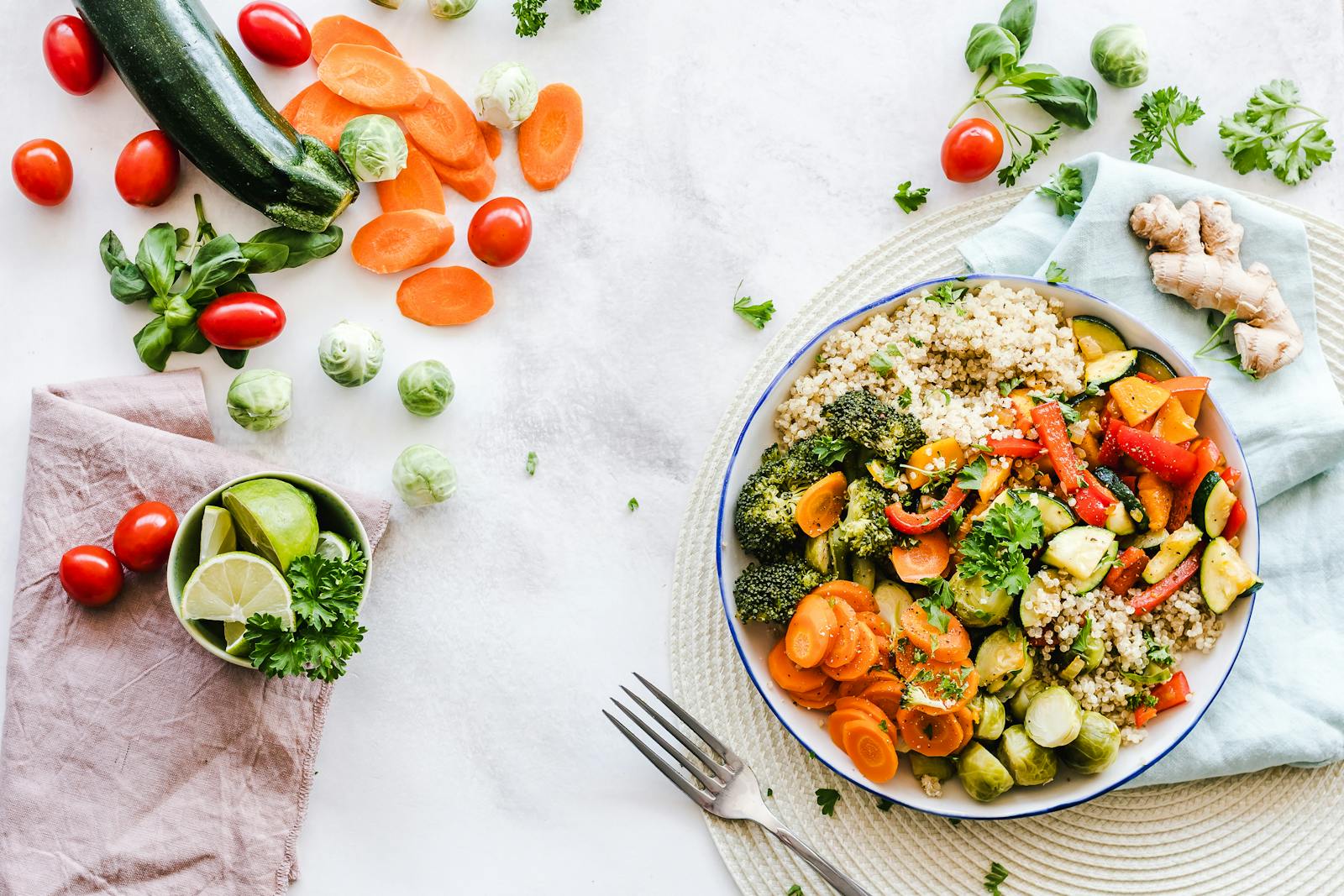
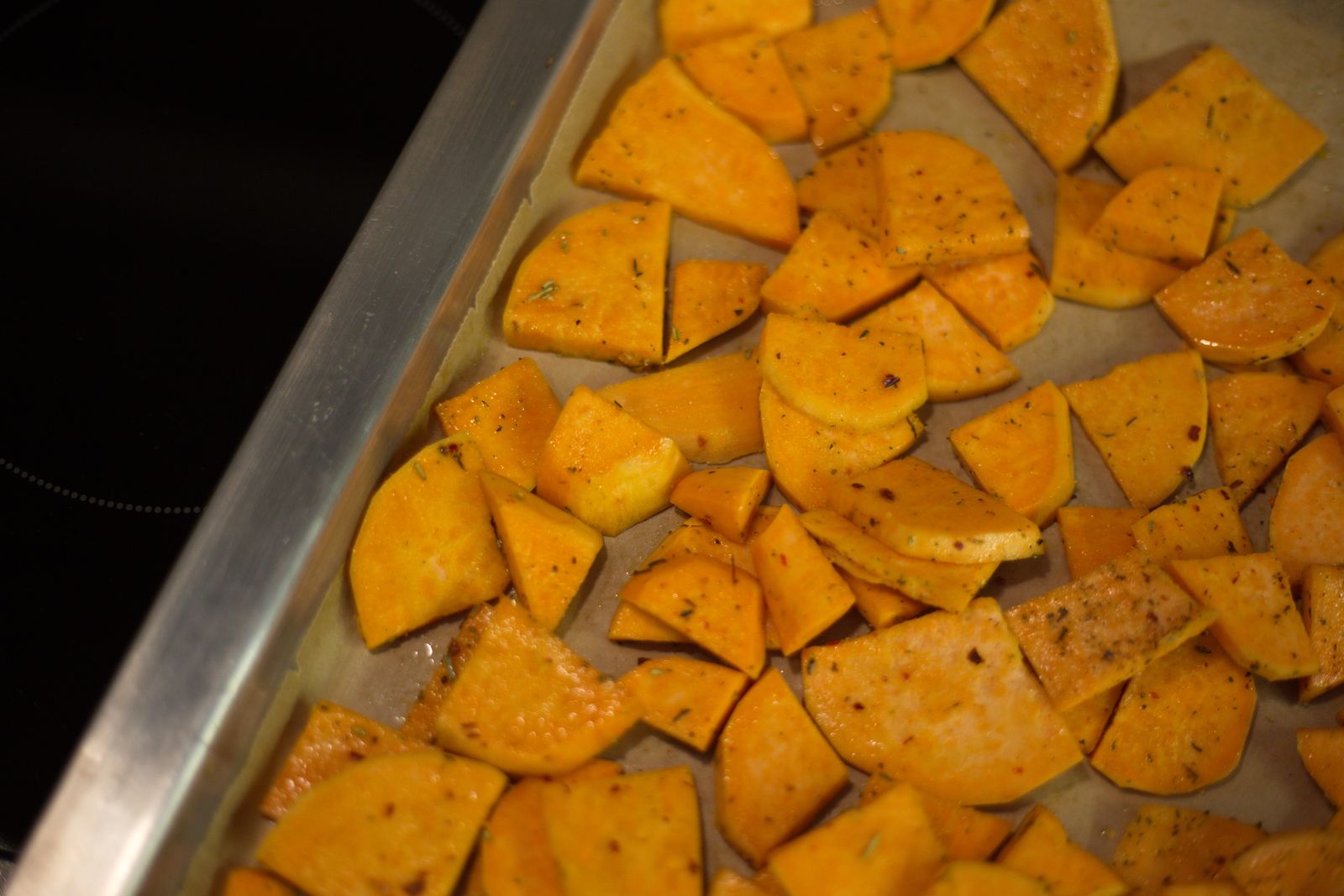
A sheet pan dinner should come out browned at the edges, not pale and wet. Most of the time the problem is space, moisture, or timing, and all three are easy to fix.
Notes from the kitchen
Practical notes on cooking at home: meal rhythms, pantry habits, recipe details, and the small decisions that make everyday cooking easier.

Cooking Basics
A sheet pan dinner should come out browned at the edges, not pale and wet. Most of the time the problem is space, moisture, or timing, and all three are easy to fix.

Everyday Technique
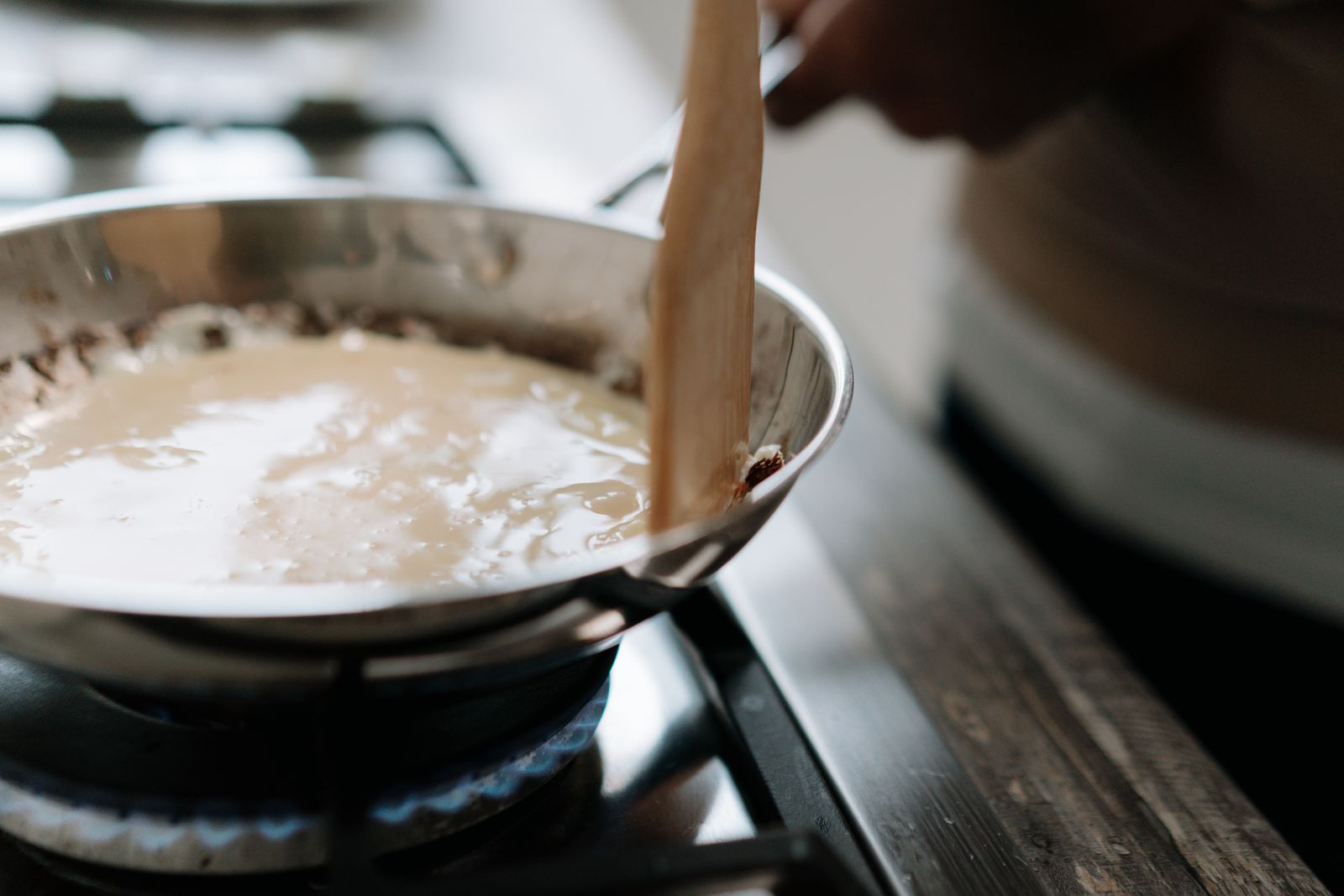
The browned bits left in a skillet after searing chicken, pork, or steak are the start of a sauce. With a little liquid and a few minutes, they become something worth pouring over dinner.

Kitchen Skills
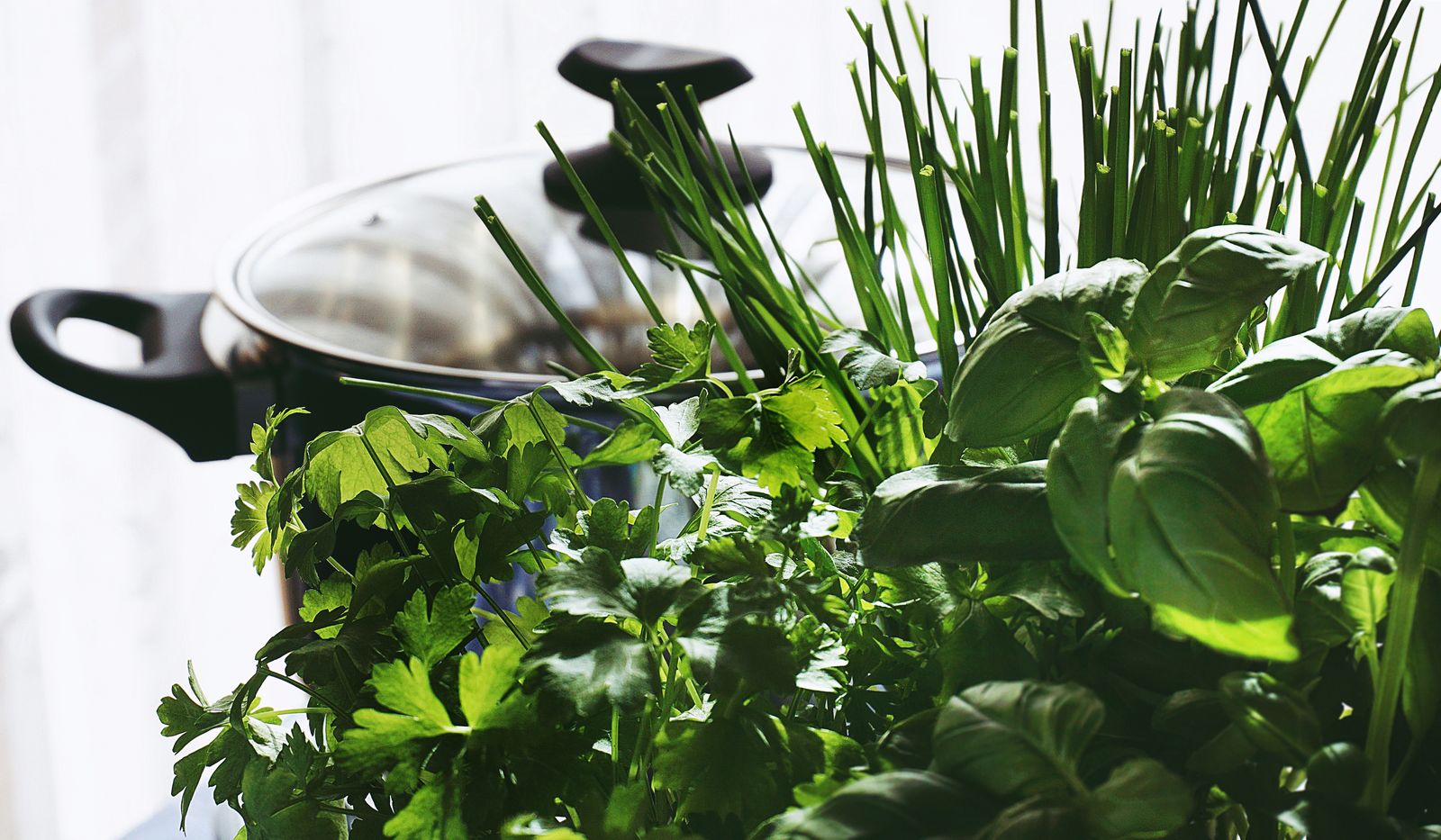
Fresh herbs often wilt before the bunch is half used. Storing tender and hardy herbs differently keeps them usable far longer, and the leftovers can still become something good.

Cooking Basics
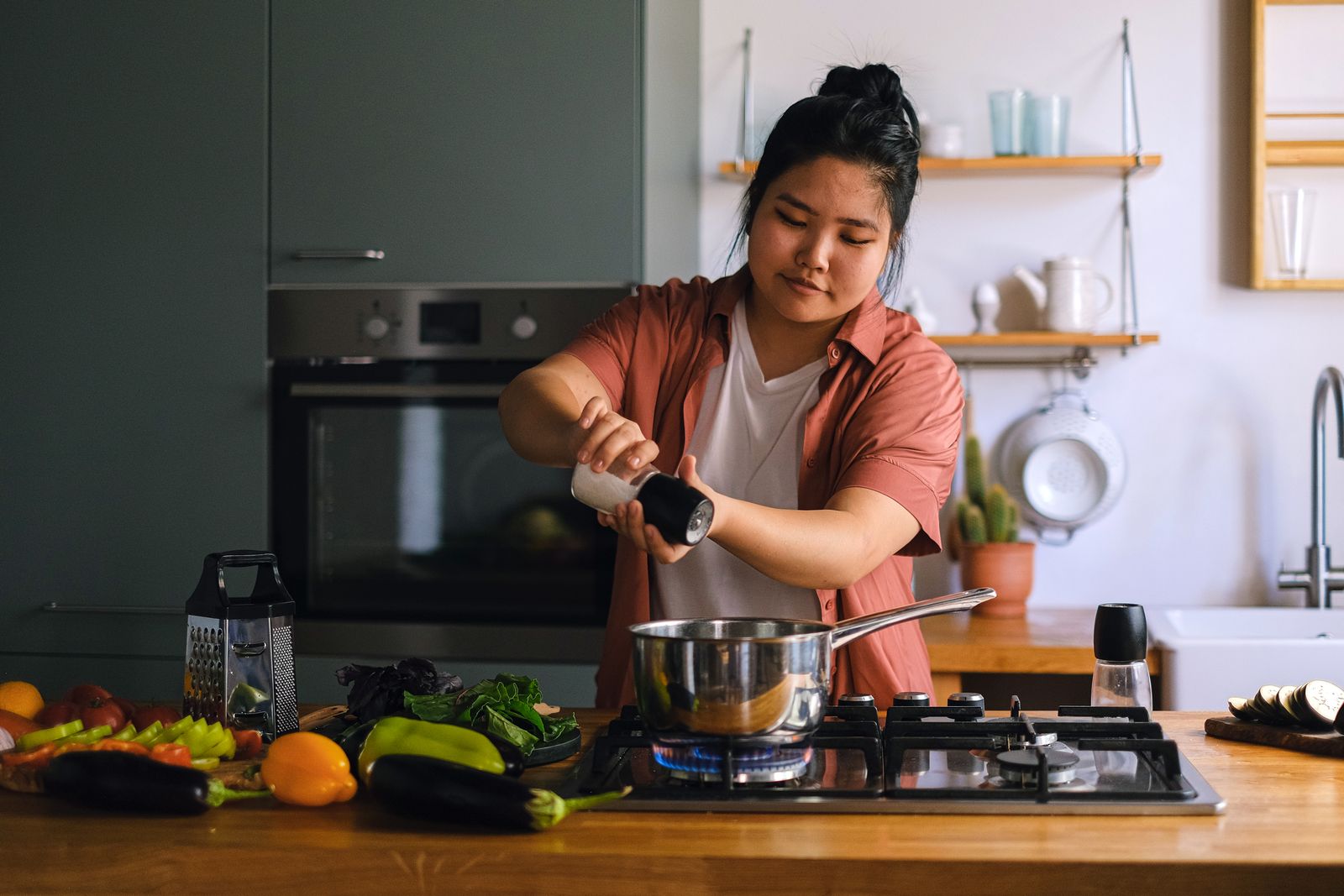
Good seasoning is less about adding a large amount of salt and more about making small decisions throughout cooking. Learning when to taste, when to wait, and what a dish is actually missing makes food more consistent.

Everyday Kitchen
A dinner routine works best when it reduces decisions without demanding perfect planning. The goal is not to schedule every meal; it is to create enough structure that dinner is easier to start on ordinary busy nights.

Kitchen Organization
A useful freezer is not the one packed most efficiently. It is the one where you can see what you have, find it quickly, and turn it into dinner before it disappears under newer food.

Everyday Kitchen
Leftovers are easiest to use when they are treated as ingredients, not repeats. A few small changes in texture, seasoning, and format can turn yesterday's dinner into something that feels new.

Kitchen Rhythm
A useful dinner routine does not need a rigid meal-prep schedule. A small amount of structure can make weeknights easier while still leaving room for leftovers, schedule changes, and simple meals.

Everyday Kitchen
Food waste usually happens in small, forgettable amounts. A few simple habits can make food easier to see, remember, freeze, reuse, and finish before it is lost.

Cooking Basics
A few minutes spent reading a recipe before you start can prevent rushed prep, missing ingredients, crowded pans, and dinner finishing much later than expected.

Everyday Kitchen
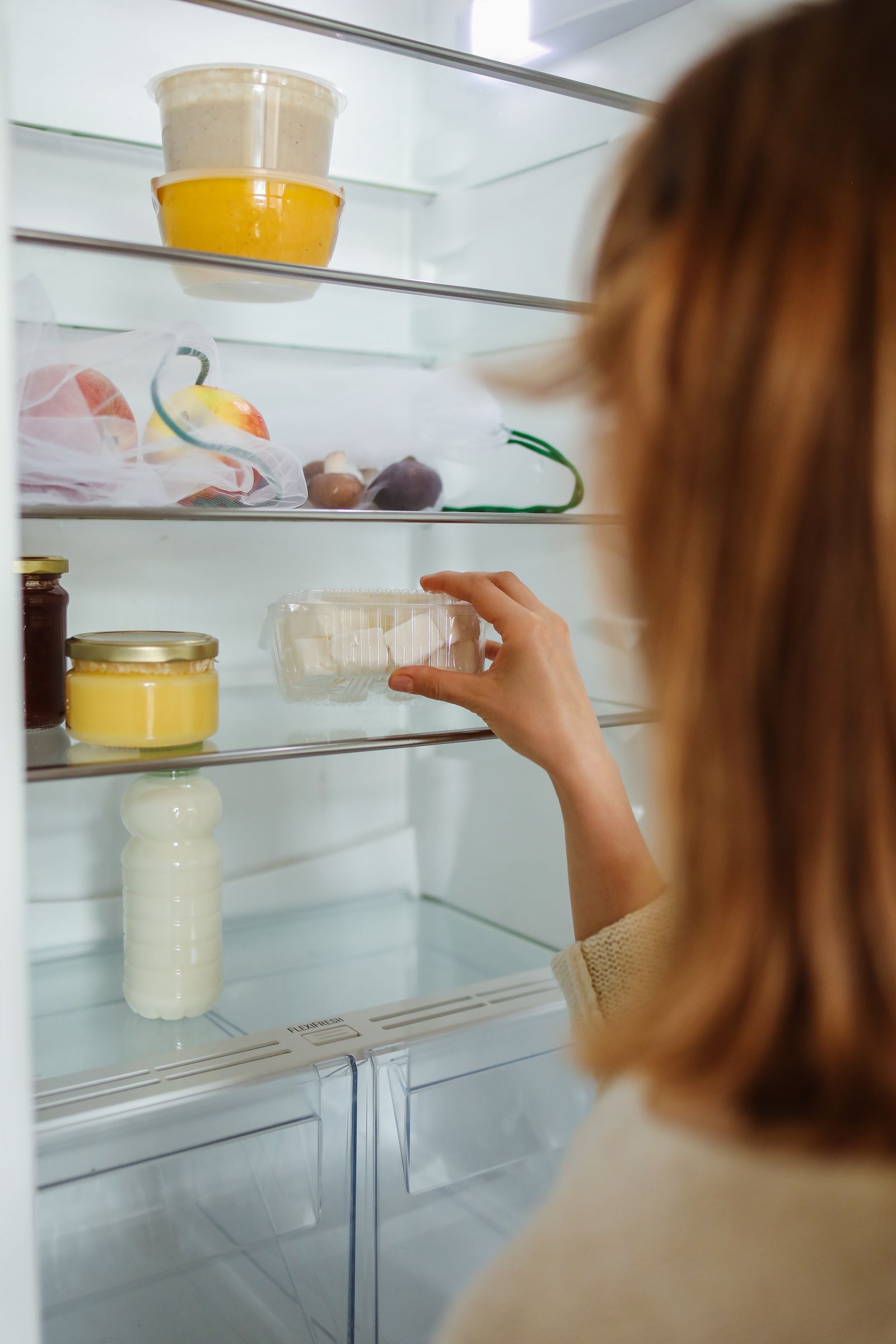
Meal planning works better when it starts with the refrigerator, not a blank sheet of paper. This method builds five dinners around what needs to be used first.

Kitchen Rhythm
A low-stress Sunday dinner does not need a complicated menu. A repeatable rhythm makes the meal easier to plan, cook, and enjoy.

Practical Cooking
The best pantry is not the one with the most ingredients. It is the one stocked with a small group of flexible basics you actually use.

Recipe Notes
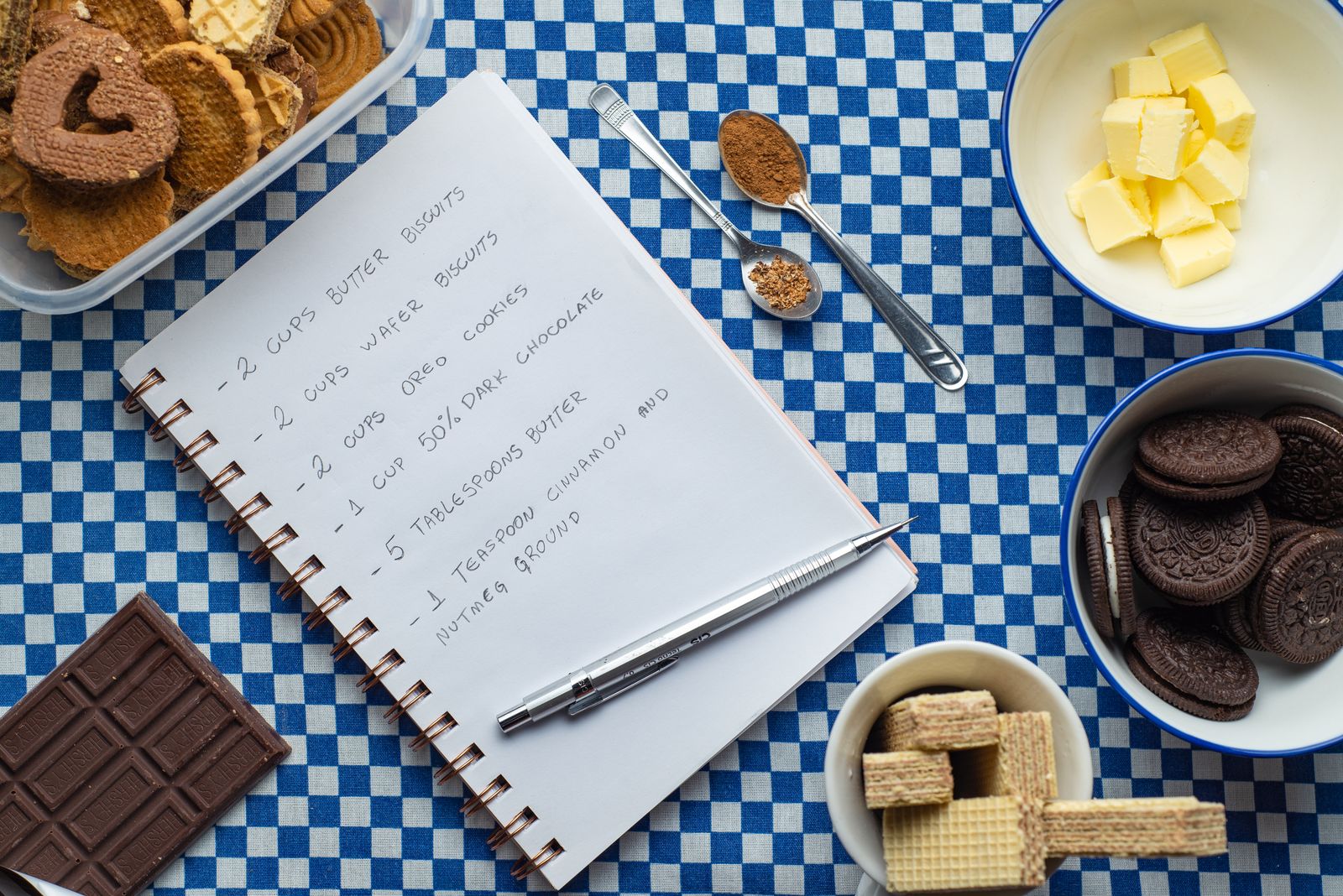
A good recipe is more than a list of ingredients. The best ones tell you what matters, where you can adjust, and how to recognize when the food is ready.