Cooking Basics
Why Sheet Pan Dinners Get Soggy (and How to Make Them Crispy)
Stop getting soggy sheet pan dinners. Learn why a crowded pan steams instead of roasts, and the easy fixes that give you crispy, caramelized results.
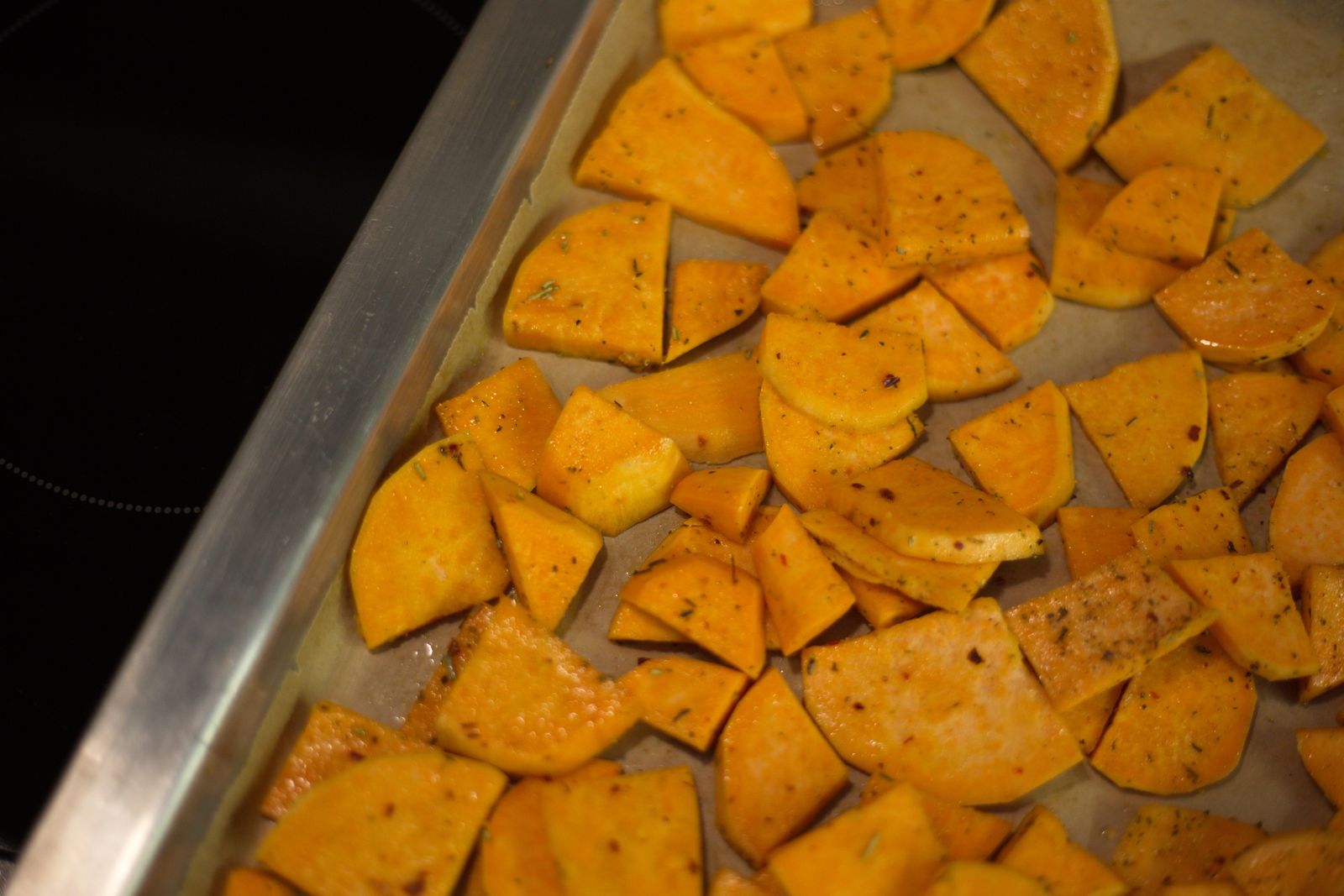
Soggy food is usually steamed food
When vegetables and meat go into a hot oven, they release water. If that water can evaporate quickly, the surface dries and starts to brown. If it cannot, it collects on the pan and the food cooks in its own steam. Steamed potatoes and broccoli are perfectly edible, but they never get the crisp edges that make a sheet pan dinner worth making.
Almost every fix in this article comes back to one idea: help the moisture leave. More space, a hotter surface, drier ingredients, and better timing all do the same job in different ways.
Give everything room
Crowding is the most common cause of soggy results. When pieces touch or overlap, the steam they release has nowhere to go. A good rule is to leave a little gap around each piece so you can see the pan between them.
If the food does not fit in a single layer with space, use two pans instead of one. Rotate them between the upper and lower racks halfway through so both get time near the heat. It feels like extra dishes, but it is the single biggest improvement most home cooks can make.
A rimmed half-sheet pan is the most useful size for a family dinner. Very small toaster-oven pans fill up too quickly to roast well for more than one or two people.
Dry ingredients before they go on the pan
Washed vegetables carry surface water into the oven, and that water has to cook off before any browning can begin. Pat greens, broccoli, and potatoes dry with a towel, or wash them earlier and let them air-dry on a rack.
The same goes for chicken thighs, sausages, and tofu. A quick pat with paper towels removes the surface moisture that would otherwise pool on the pan. Frozen vegetables can roast, but spread them out well and expect them to need a hotter oven and a little more time.
Use enough heat and preheat the pan
Most sheet pan dinners roast best somewhere between 400°F and 450°F. Lower temperatures cook food through without driving off moisture fast enough to brown it.
For potatoes, root vegetables, and anything you want crisp on the bottom, put the empty pan in the oven while it preheats. When the food hits the hot metal, the underside starts searing immediately instead of slowly warming up in a puddle. Use oven mitts and toss the oiled vegetables onto the hot pan carefully.
Coat with oil, do not drown
Oil helps heat move into the surface of the food and encourages browning. Too little and vegetables dry out and turn leathery; too much and they fry unevenly and turn greasy. A thin, even coating where every piece looks lightly glossy is the goal.
Toss vegetables with oil and salt in a bowl rather than drizzling oil over them on the pan. A bowl coats every side, while drizzling leaves some pieces dry and others sitting in a pool.
Stage ingredients by cooking time
Not everything on a sheet pan cooks at the same speed. Potatoes and carrots might need thirty-five minutes, chicken thighs around twenty-five, and green beans or asparagus closer to twelve. Putting everything in at once usually means something is overcooked while something else is still soft and pale.
Start the slowest ingredients first, then add the faster ones partway through. Cutting pieces to similar sizes within each ingredient also keeps them cooking evenly. Always cook meat and poultry to a safe internal temperature, checking with a thermometer when in doubt.
Add sauces at the end
Wet glazes, marinades with a lot of liquid, and sugary sauces can make a pan steamy and can burn before the food is cooked. Season with dry spices and oil at the start, then brush on a glaze during the last few minutes or toss the finished food with sauce after it comes out of the oven.
Fresh herbs, a squeeze of lemon, or a spoonful of yogurt sauce added at the table give the meal brightness without softening the crisp edges you worked for.
Use the broiler for a final push
If everything is cooked through but still looks a little pale, a minute or two under the broiler can add color quickly. Stay close to the oven, because the change from golden to burnt happens fast.
Once the pan comes out, serve soon. Roasted food softens as it sits and traps its own steam, especially if it is covered. If you need to hold it, leave it uncovered in a warm oven rather than piling it into a covered dish.
More from the blog
Everyday Technique
How to Make a Quick Pan Sauce in the Same Skillet
The browned bits left in a skillet after searing chicken, pork, or steak are the start of a sauce. With a little liquid and a few minutes, they become something worth pouring over dinner.
Kitchen Skills
How to Keep Fresh Herbs Fresh for Longer
Fresh herbs often wilt before the bunch is half used. Storing tender and hardy herbs differently keeps them usable far longer, and the leftovers can still become something good.