Kitchen Rhythm
How to Build a Better Sunday Dinner Routine
A practical way to make Sunday dinner feel comforting instead of complicated, with a repeatable plan for choosing dishes, timing prep, managing oven space, and using leftovers well.
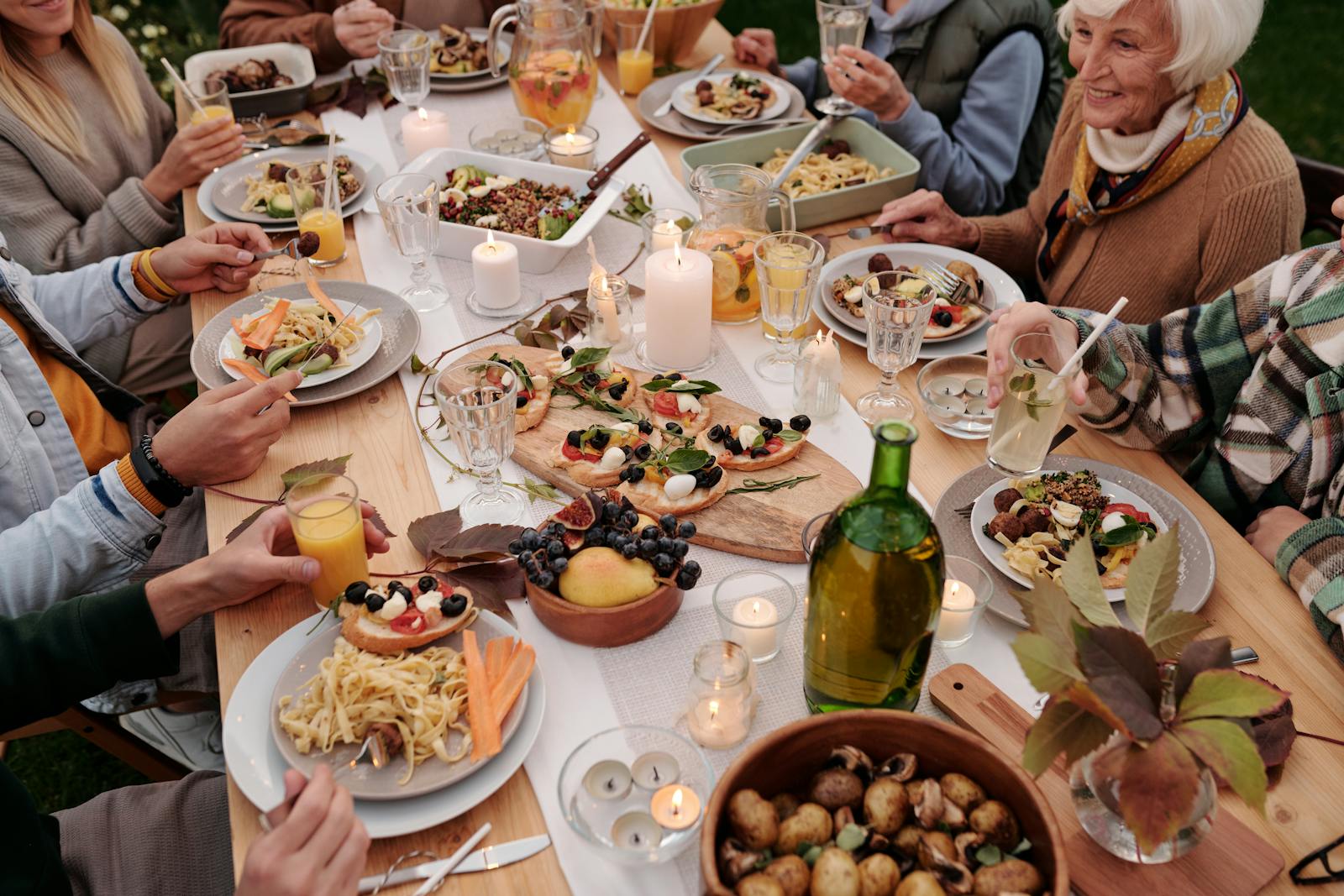
Start with one anchor dish
The easiest Sunday dinners begin with one main dish that sets the direction for everything else. A roast, braise, baked pasta, soup, casserole, or slow-cooker meal can all work. Once the anchor is chosen, the rest of the menu only needs to support it rather than compete with it.
Instead of planning several equally involved recipes, pair the main dish with one simple vegetable, bread, salad, or make-ahead side. A roast chicken may need only potatoes and a green vegetable. A baked pasta may need only salad and bread. A stew may already contain enough vegetables that the only extra thing worth making is something simple to serve alongside it.
This approach protects the meal from becoming a collection of separate projects. If one dish already needs browning, simmering, resting, or careful timing, the other dishes should usually be easier. The point is to create a dinner that feels complete without requiring every burner, pan, and minute of attention at once.
Choose the menu by effort, not by number of dishes
A three-dish dinner can be more exhausting than a five-dish dinner if all three dishes need active attention at the same time. When planning the menu, look at the kind of work each dish requires. Chopping in the morning is different from stirring a sauce during the last ten minutes. A cold salad is different from a stovetop side that needs constant attention.
Try to spread the effort across different kinds of tasks. One dish can be oven-based, one can be made ahead, and one can be finished quickly at the end. This prevents the last half hour before dinner from becoming the busiest part of the day.
It also helps to avoid stacking too many unfamiliar recipes in one meal. Sunday dinner is a good place to try something new, but the rest of the menu can stay familiar. One unknown variable is easier to manage than four.
Work backward from the time you want to eat
Pick the time you want to sit down, then count backward using the longest cooking step. Add buffer for resting meat, reheating sides, boiling water, or waiting for the oven to finish one last task. If dinner is at six and a roast needs ninety minutes plus fifteen minutes to rest, the roast may need to go into the oven around four fifteen rather than four thirty.
Then place the smaller tasks around that anchor. Vegetables that take forty minutes can go in later. A salad can be dressed near the end. Bread can warm while the roast rests. Working backward turns a vague afternoon of cooking into a sequence with a clear starting point.
A written timeline is useful for meals with several parts, even if it is only five lines on a scrap of paper. It prevents easy-to-forget tasks such as preheating the oven, taking butter out of the refrigerator, or letting meat rest before slicing.
Use the morning for low-pressure prep
Sunday dinner becomes easier when some work happens before the final cooking window. Vegetables can be washed and chopped, a dressing can be mixed, a casserole can be assembled, dough can rise, or dessert can be finished earlier in the day. Even twenty minutes of preparation can remove several decisions from the late afternoon.
The most useful make-ahead tasks are the ones that do not noticeably reduce quality. Chopping carrots early is usually fine. Dressing delicate greens hours in advance is usually not. The goal is not to do everything early; it is to move the safe, stable tasks out of the busiest part of the day.
It can also help to clean as you prep. If the cutting board, knife, and mixing bowls are already washed before cooking starts in earnest, the kitchen feels much more manageable when dinner is finished.
Plan oven and stovetop space before cooking
Many Sunday dinners become stressful because several dishes were chosen without considering where they will cook. Two dishes may need the oven at different temperatures, or a large pot may block the burner needed for a sauce. A menu can look simple on paper and still create a traffic problem in the kitchen.
Before cooking, note which dishes need the oven, what temperature they require, and how long they can wait after cooking. Foods that hold well can often be cooked first. Roasted vegetables may stay warm for a while, while a delicate sauce may need to be finished at the end.
If two oven dishes need different temperatures, decide whether one can tolerate the other's temperature with an adjusted cooking time. If not, choose a stovetop or room-temperature side instead. Changing one side dish is usually easier than trying to force an impossible schedule.
Use doneness cues instead of relying only on the clock
Cooking times are useful estimates, but they are not guarantees. Pan size, oven accuracy, ingredient temperature, and the size of the food can all change how long something takes. A dependable Sunday dinner routine includes visual and textural cues, not just timers.
Vegetables may be ready when their edges are browned and their centers are tender. A braise may be ready when the meat yields easily to a fork. A baked pasta may be done when the center is hot and bubbling. Meat should be checked with an appropriate thermometer when temperature matters for safety and doneness.
Using cues prevents the schedule from controlling the food. The timeline tells you when to start checking. The food tells you when it is actually ready.
Build in a resting window before serving
A short resting period is useful for many Sunday dinner foods. Roasted meat benefits from resting before slicing. Casseroles and baked pastas often cut more cleanly after sitting for several minutes. Even soup can improve when it has a few minutes off the heat for flavors to settle.
This resting period is also valuable for the cook. It creates a small window to finish the salad, move food into serving dishes, clear the counter, or warm bread. Instead of trying to make every dish reach the table at the exact same second, use the foods that hold well to create a natural buffer.
A meal does not need restaurant-style synchronization. It only needs to arrive at the table at a comfortable temperature and in a sequence that feels manageable.
Keep serving simple
Family-style serving is often the easiest approach for a relaxed dinner. Put the main dish and sides in practical serving dishes, place them on the table or counter, and let everyone serve themselves. There is no need to plate every portion in the kitchen unless the meal specifically benefits from it.
Simple serving also makes it easier to see what is left. Extra food can be cooled and stored promptly instead of lingering on individual plates. If there is a dish you know you want for leftovers, set aside a portion before the meal begins so it does not disappear unexpectedly.
The serving setup should support the meal, not become another project. Warm food, enough utensils, water on the table, and a place to sit matter more than elaborate presentation.
Plan for leftovers on purpose
A Sunday meal becomes more useful when leftovers have a job. Extra roast chicken can become sandwiches or soup. Braised meat can go into tacos or pasta. Roasted vegetables can be folded into eggs or grain bowls. A large batch of rice can become the base of lunches or fried rice later in the week.
The easiest leftovers to use are usually components rather than fully assembled meals. If possible, store meat, vegetables, grains, sauces, and bread separately. That gives you more options and prevents one strongly flavored sauce from deciding what every leftover has to become.
It is also worth being realistic about quantity. If no one in the household enjoys eating the same casserole three days in a row, making an enormous pan may not be helpful. Cook enough for the meal and one planned second use rather than automatically making the largest possible batch.
Create a repeatable Sunday rhythm
The best routine is one you can repeat without thinking very hard. You might choose the menu Saturday, shop Sunday morning, do prep after lunch, start the main dish in the late afternoon, and eat around the same time each week. The exact schedule matters less than having a rhythm that reduces decisions.
Repeating a structure does not mean repeating the same food. One week the anchor can be roast chicken, another week soup, another baked pasta, and another a slow-cooker meal. The routine stays familiar while the menu changes.
Over time, you will learn which dishes fit your kitchen and schedule best. That knowledge is more valuable than collecting an endless number of complicated menus. A dependable Sunday dinner is usually built from a handful of patterns that are easy to return to.
More from the blog
Kitchen Organization
How to Organize a Freezer So Food Actually Gets Used
A useful freezer is not the one packed most efficiently. It is the one where you can see what you have, find it quickly, and turn it into dinner before it disappears under newer food.
Everyday Kitchen
How to Make Leftovers Feel Like a New Meal
Leftovers are easiest to use when they are treated as ingredients, not repeats. A few small changes in texture, seasoning, and format can turn yesterday's dinner into something that feels new.