Cooking Basics
How to Read a Recipe Before You Start Cooking
A practical guide to reading a recipe before you cook so you can catch timing, equipment, preparation, substitutions, and doneness cues before they become problems.
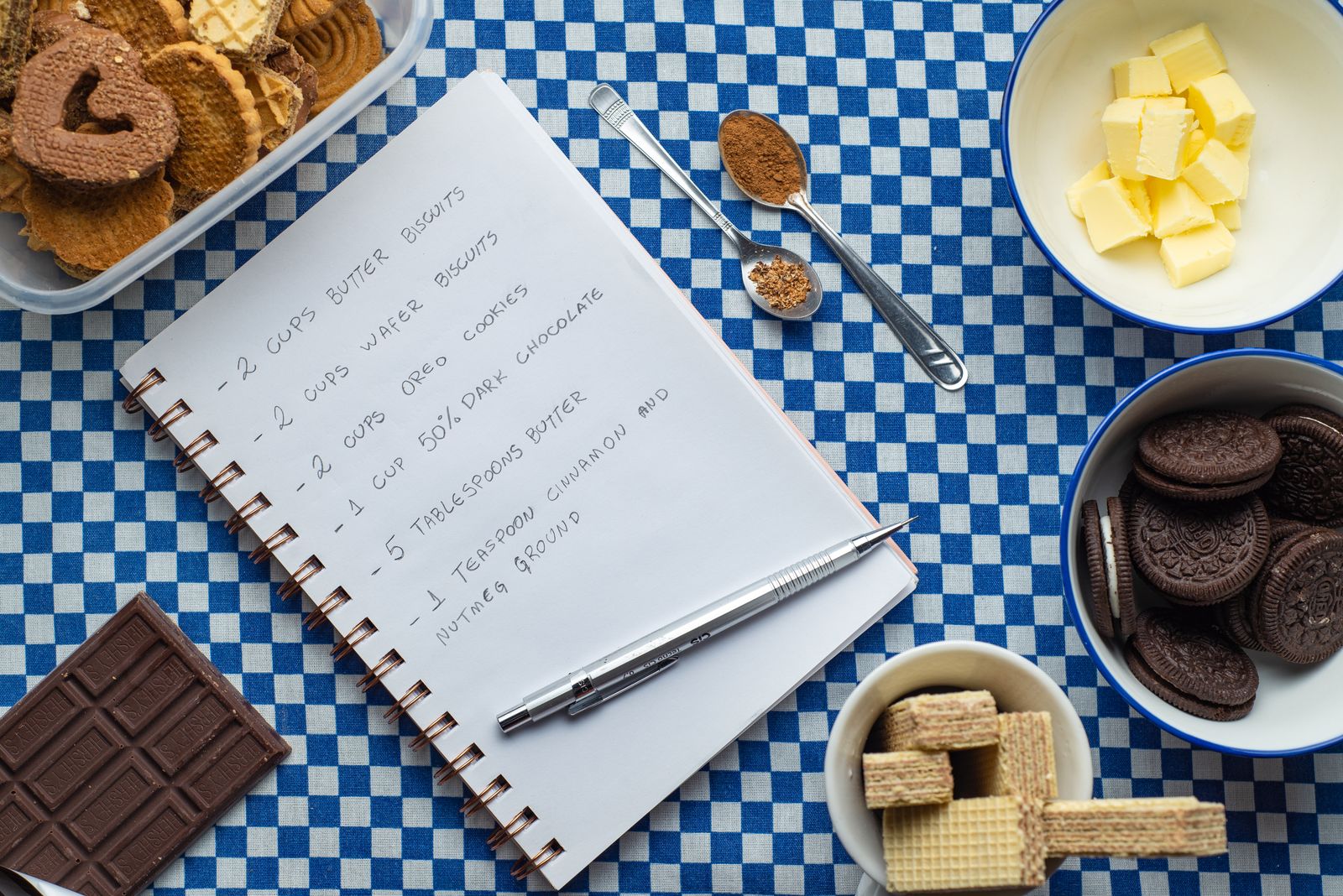
Read the whole recipe once before touching an ingredient
The first read should be quick and uninterrupted. Do not start measuring flour halfway through the ingredient list or turn on the stove as soon as you see the first cooking instruction. Read from the title through the final step so you know the general shape of the recipe before anything is in motion.
This first pass is where surprises become visible. You may discover that dough needs to chill for an hour, meat needs time to rest, beans must already be cooked, butter needs to be softened, or a sauce is prepared while something else is in the oven. None of those details are difficult when you know about them early. They become stressful only when you discover them after cooking has already started.
Separate total time from active time
A recipe that takes ninety minutes is not necessarily ninety minutes of work. It might require fifteen minutes of preparation, an hour in the oven, and fifteen minutes of resting. Another recipe that claims to take thirty minutes may require constant chopping, stirring, and attention for nearly all thirty. Those are very different kinds of dinners.
Look for every place where the recipe waits: marinating, rising, chilling, simmering, baking, cooling, or resting. Then look for the steps that require your hands. Knowing the difference helps you decide whether the recipe fits the evening and whether the unattended time can be used to make a side dish, clean the kitchen, or simply leave the food alone.
Read the ingredient list as preparation instructions
Ingredient lists often contain work that is easy to overlook. Words such as diced, minced, softened, melted, divided, drained, rinsed, room temperature, or finely grated are not decorative descriptions. They tell you what condition the ingredient needs to be in when the recipe calls for it.
Pay special attention to the order of those words. One cup of chopped toasted nuts means the nuts are measured after they are toasted and chopped, while one cup of nuts, chopped may be interpreted differently depending on the recipe. Most home recipes are forgiving, but noticing preparation language prevents avoidable confusion and helps you estimate how much work happens before the first pan gets hot.
Check the equipment before you begin
Before cooking, scan the instructions for pan sizes, baking dishes, pots, mixing bowls, thermometers, blenders, mixers, strainers, or other equipment. The goal is not to arrange every tool on the counter. It is to make sure the recipe does not depend on something you do not have or something that is currently buried in the dishwasher.
Pan size matters more than it may seem. Vegetables spread across a large sheet pan roast differently from vegetables crowded into a small one. Brownies in an eight-inch pan bake differently from the same batter in a nine-by-thirteen-inch pan. If you need to substitute equipment, decide how that might change depth, surface area, heat exposure, and cooking time before the food is already in the pan.
Find the steps that happen at the same time
Many recipes are written in a straight line even though the cooking does not happen that way. Pasta water may need to boil while a sauce cooks. Vegetables may roast while a dressing is mixed. A protein may rest while the final side dish is finished. Read for these overlaps so you can use waiting time instead of discovering each next task only after the previous one is complete.
It can help to identify the longest step and build the rest of the meal around it. If potatoes need forty-five minutes in the oven and fish needs only twelve, the potatoes start first. If rice takes twenty minutes and a stir-fry takes eight, the rice deserves the earlier start. This kind of sequencing is often what separates a calm dinner from several dishes becoming ready at completely different times.
Look for doneness cues, not just minutes
Cooking times are estimates because kitchens are not identical. Ovens cycle differently, burners vary, pans conduct heat differently, and ingredients may begin colder or larger than the ones used when the recipe was tested. Time tells you when to start checking; a doneness cue tells you what you are actually waiting for.
Useful cues include onions turning translucent or deeply golden, sauce thickening enough to coat a spoon, vegetables becoming tender at the center, bread sounding hollow, edges browning, or meat reaching a safe internal temperature. Notice those cues before cooking so you are not staring at the clock and wondering whether a dish that looks unfinished is somehow supposed to be done because the timer rang.
Decide on substitutions before the pan is hot
If you already know you are missing an ingredient, deal with that question before cooking begins. Some substitutions are simple: one sturdy leafy green for another in a soup, one bean for another in a flexible salad, or a different herb in a dish where the herb is mostly a finishing flavor. Other changes alter structure, moisture, acidity, or cooking time and deserve more caution.
Ask what the ingredient is doing. Is it providing liquid, fat, sweetness, acidity, thickening, structure, or simply flavor? Replacing parsley with another fresh herb is very different from replacing flour in a cake or cream in a sauce. Thinking about function makes substitutions more predictable and prevents the common mistake of treating ingredients as interchangeable just because they look similar on a list.
Prepare only as much as the recipe needs
Reading ahead does not mean every ingredient must be measured into a separate bowl. Full mise en place is useful for very fast cooking, especially stir-fries, sauces, or recipes where ingredients are added seconds apart. For slower recipes, setting out every teaspoon in advance can create more dishes than it saves time.
Use the recipe's pace to decide what needs to be ready. If garlic goes into a hot pan thirty seconds after onions finish browning, mince it before the onions start. If a garnish is not needed for another hour, it can wait. The goal is to prevent bottlenecks, not to make the counter look professionally staged.
Notice where cleanup can happen naturally
A quick read also reveals natural cleanup breaks. If something bakes for thirty minutes, the cutting board and mixing bowls can be washed before dinner. If a sauce simmers unattended, empty cans and scraps can be cleared. Small resets keep the kitchen from becoming harder to work in as the recipe continues.
Cleanup is part of how a recipe feels in real life. A dish may taste excellent but still be a poor weeknight choice if it uses four pans, several bowls, and constant attention. Reading the full method makes that visible before you commit, which helps you choose recipes that fit not just your appetite but the amount of work you actually want that day.
Do a thirty-second final check before you start
After the first read, make one last mental check: Do I have the ingredients? Is anything supposed to be softened, thawed, chilled, or preheated? Do I have the right pan? What step takes the longest? Is there a point where two things happen at once? How will I know the food is done? Those questions take less than a minute once the habit becomes familiar.
The purpose of reading a recipe first is not to make cooking rigid. It is the opposite. When you understand the sequence, you can adapt more confidently because you know which details matter and which ones are flexible. A recipe becomes much easier to use when it stops being a series of surprises and starts functioning as a plan.
More from the blog
Kitchen Organization
How to Organize a Freezer So Food Actually Gets Used
A useful freezer is not the one packed most efficiently. It is the one where you can see what you have, find it quickly, and turn it into dinner before it disappears under newer food.
Everyday Kitchen
How to Make Leftovers Feel Like a New Meal
Leftovers are easiest to use when they are treated as ingredients, not repeats. A few small changes in texture, seasoning, and format can turn yesterday's dinner into something that feels new.