Kitchen Organization
How to Organize a Freezer So Food Actually Gets Used
A practical freezer organization system built around visibility, useful portions, clear labels, simple zones, and routines that help frozen food become real meals instead of forgotten storage.
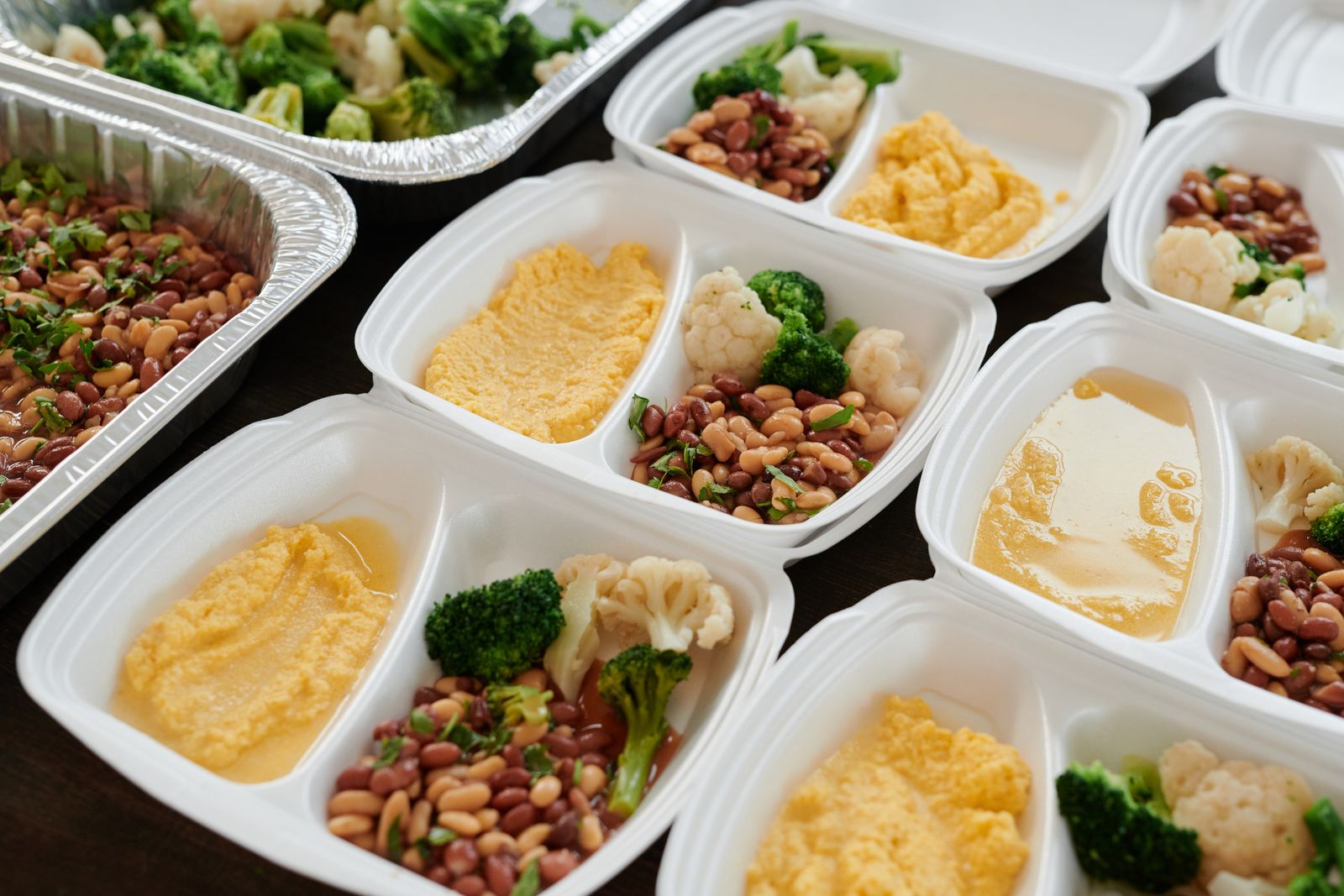
Organize for retrieval, not for a perfect-looking freezer
Freezer organization often focuses on fitting as much food as possible into a small space. That can make the freezer look efficient while making it harder to use. If a container has to be moved, unstacked, or guessed at every time you need dinner, the system is creating work instead of saving it.
The better goal is retrieval. You should be able to open the freezer, identify the main categories, and reach most foods without dismantling an entire stack. That may mean leaving a little unused space, using fewer containers, or keeping a less symmetrical arrangement than the kind shown in a perfectly styled kitchen photograph.
A freezer earns its space when the food inside eventually becomes meals. Visibility and access matter more than maximizing every inch.
Start by removing the mystery items
Before creating zones or buying containers, go through the freezer and deal with the things you cannot identify. An unlabeled foil packet, a container of unknown sauce, or a freezer bag with no date is difficult to plan around because it creates another decision every time you see it.
Keep foods you can identify and reasonably expect to use. Discard anything that is no longer safe, has been stored beyond guidance you are comfortable following, or is so damaged by poor storage that nobody in the household will realistically eat it. When food safety is uncertain, use current food-safety guidance rather than guessing.
This first pass is useful because organization cannot solve uncertainty. Once the mystery items are gone, every remaining package can have a clear purpose and location.
Create broad zones that match the way you cook
Freezer zones work best when they are broad enough to remember. Instead of creating a separate category for every ingredient, use a few groups that match real cooking habits. One area might hold proteins, another vegetables and fruit, another bread and breakfast foods, and another finished meals or leftovers.
The exact categories matter less than consistency. If frozen chicken is always in the same drawer and prepared meals are always on the same shelf, you stop searching the entire freezer. That small reduction in friction makes frozen food easier to include in meal planning.
Avoid creating more categories than the space can support. A small freezer may only need three zones. A chest freezer may need bins because food is stacked vertically. The system should make finding food easier, not create a labeling project that is more complicated than cooking.
Keep a use-first area for food that needs attention
One of the most useful freezer zones is a small use-first area. Put older portions, opened bags, single servings, and foods you specifically want to use soon in one visible place. This keeps them from being buried by new groceries.
The use-first area does not need to be large. A small bin, one door section, or the front of a shelf is enough. When you plan dinner, check this area before digging into newer food.
This also solves a common problem with leftovers. Freezing a meal can prevent waste today, but if the container disappears into the back of the freezer, the decision has only been postponed. A use-first area gives that food a second chance to become an actual meal.
Freeze food in the portions you are likely to use
Large freezer packages are convenient when they match the way you cook. They are frustrating when you only need part of the package. Before freezing meat, cooked grains, sauces, soups, or leftovers, think about the amount you usually use at one time.
A household that regularly needs two cups of cooked rice will get more value from several two-cup portions than from one enormous frozen block. A large batch of soup may be more useful as two dinner-size containers and one lunch-size portion. Bread can be separated so a few slices are easy to remove without thawing the entire loaf.
Portioning is not about measuring everything perfectly. It is about removing a future obstacle. If the frozen amount already matches a likely meal, using it requires fewer steps.
Use shape to make storage easier
The shape of frozen food can matter as much as the container. Soups, sauces, cooked beans, and other foods suitable for freezer bags can often be frozen flat, then stored upright once solid. Flat packages are easier to stack or file and usually expose more labels than round containers piled on top of one another.
Rigid containers still make sense for foods that would be crushed, leak easily, or are simply easier to portion that way. The useful question is not whether bags or containers are better. It is which shape makes the specific food easier to store, see, thaw, and use.
Try to avoid a freezer full of mismatched shapes that cannot stack or stand together. A few repeatable container sizes can make the space easier to manage without requiring a complete matching set.
Label for decisions, not just identification
A good freezer label should answer the questions you will have later. At minimum, include what the food is and when it was frozen. For foods that are easy to confuse, add a useful detail such as cooked or uncooked, spicy or mild, or the approximate portion size.
It can also help to add an intended use. Labels such as chicken for tacos, tomato sauce for pasta, or rice for fried rice turn a frozen ingredient into part of a plan. You are not locked into that plan, but you have removed one decision from a busy evening.
Write labels so they can be read without removing several packages first. A perfectly labeled container still gets forgotten if the label faces the wall.
Keep an inventory short enough that you will actually maintain it
A detailed freezer spreadsheet can work for some households, but many people stop updating it after a few weeks. A simpler inventory is often more durable. Track only the foods that are difficult to see or easy to overbuy, such as proteins, prepared meals, bread, and large batches of sauce or soup.
The inventory can be a note on your phone, a small whiteboard, or a paper list near the freezer. The format matters less than the habit of subtracting items when they are used and adding important items when they go in.
If maintaining the list becomes a chore, simplify it. A rough note that says two chicken dinners, one chili, one loaf of bread, and frozen berries may be more useful than a perfect inventory that is always out of date.
Stop treating the freezer as permanent storage
Freezing buys time, but it does not make food easier to use automatically. The freezer works best as a rotation system: food goes in, stays visible, and comes back out as part of a future meal.
When planning groceries, look at the freezer before adding more versions of foods you already own. If there are three bags of vegetables, several proteins, and two prepared dinners, those items can shape the next week's meals before new ingredients are purchased.
This is especially important with sale shopping. A low price only saves money if the food is eventually used. Buying several extra packages and losing them under older food creates storage pressure without making dinner easier.
Build frozen food into the weekly meal plan
A freezer becomes more useful when at least one or two meals each week intentionally start there. That could mean using frozen chicken, reheating a prepared soup, pulling out bread for sandwiches, or building a meal around frozen vegetables and cooked grains.
This does not mean scheduling a freezer meal every Tuesday forever. The point is simply to make checking frozen food part of normal planning. A quick freezer scan before writing the grocery list often reveals several ingredients that can reduce both spending and prep time.
Frozen food is easiest to forget because it rarely looks urgent. Giving it a regular place in meal planning creates the urgency that the freezer itself removes.
Use a simple first-in, first-out habit
When adding new versions of foods you already have, place the older food where it will be reached first. New packages can go behind or underneath older ones, depending on the freezer layout. The goal is not a strict warehouse system; it is simply to stop the newest groceries from hiding what was already there.
If you find two open bags of the same ingredient, combine them when that is practical and safe. If one package is nearly empty, move it to the use-first area. Small consolidations keep the freezer from filling with multiple half-used bags that are difficult to track.
This habit is most effective when done while putting groceries away. Fixing the order in that moment takes less effort than reorganizing the entire freezer later.
Leave enough breathing room to see what changes
A completely packed freezer is difficult to maintain because every new item forces something else out of sight. Keeping some open space makes it easier to see categories, rotate older food forward, and temporarily hold a new batch of leftovers or prepared meals.
Open space is not wasted space if it helps the rest of the freezer function. In the same way that an overfilled kitchen drawer becomes harder to use, an overfilled freezer can turn every meal into a search problem.
If the freezer is always packed to the limit, the problem may be quantity rather than organization. Use what is already there before adding more storage products or trying to fit food into smaller gaps.
Do a five-minute freezer reset before grocery day
The easiest organization system is one that gets small corrections before it falls apart. Before grocery shopping, spend a few minutes putting stray items back into their zones, moving older food into the use-first area, checking open packages, and noting anything that should become a meal soon.
This reset is also a good time to update a simple inventory and decide what does not need to be purchased. If there are already frozen vegetables, bread, and two proteins, the grocery list can start from that information instead of from memory.
A freezer does not need to stay perfectly organized every day. It needs a repeatable way to return to order. Five minutes of regular maintenance is usually more useful than a major cleanout every few months.
The best freezer system makes dinner easier
A practical freezer should answer three questions quickly: what do we have, where is it, and what can it become? Broad zones answer where. Labels and a short inventory answer what. Useful portions and meal planning answer what it can become.
You do not need identical containers, printed labels, or a completely full freezer to make the space work well. Start with visibility, consistent locations, realistic portions, and one use-first area. Those changes solve most of the problems that cause frozen food to be forgotten.
The real measure of an organized freezer is not how it looks when the door opens. It is how often the food inside turns into a meal with less shopping, less waste, and less last-minute work.
More from the blog
Everyday Kitchen
How to Make Leftovers Feel Like a New Meal
Leftovers are easiest to use when they are treated as ingredients, not repeats. A few small changes in texture, seasoning, and format can turn yesterday's dinner into something that feels new.
Kitchen Rhythm
How to Build a Dinner Routine That Actually Works
A useful dinner routine does not need a rigid meal-prep schedule. A small amount of structure can make weeknights easier while still leaving room for leftovers, schedule changes, and simple meals.