Everyday Kitchen
Simple Ways to Waste Less Food at Home
Practical ways to reduce everyday food waste by shopping from what you already have, making leftovers more visible, using the freezer earlier, and planning around real household habits.
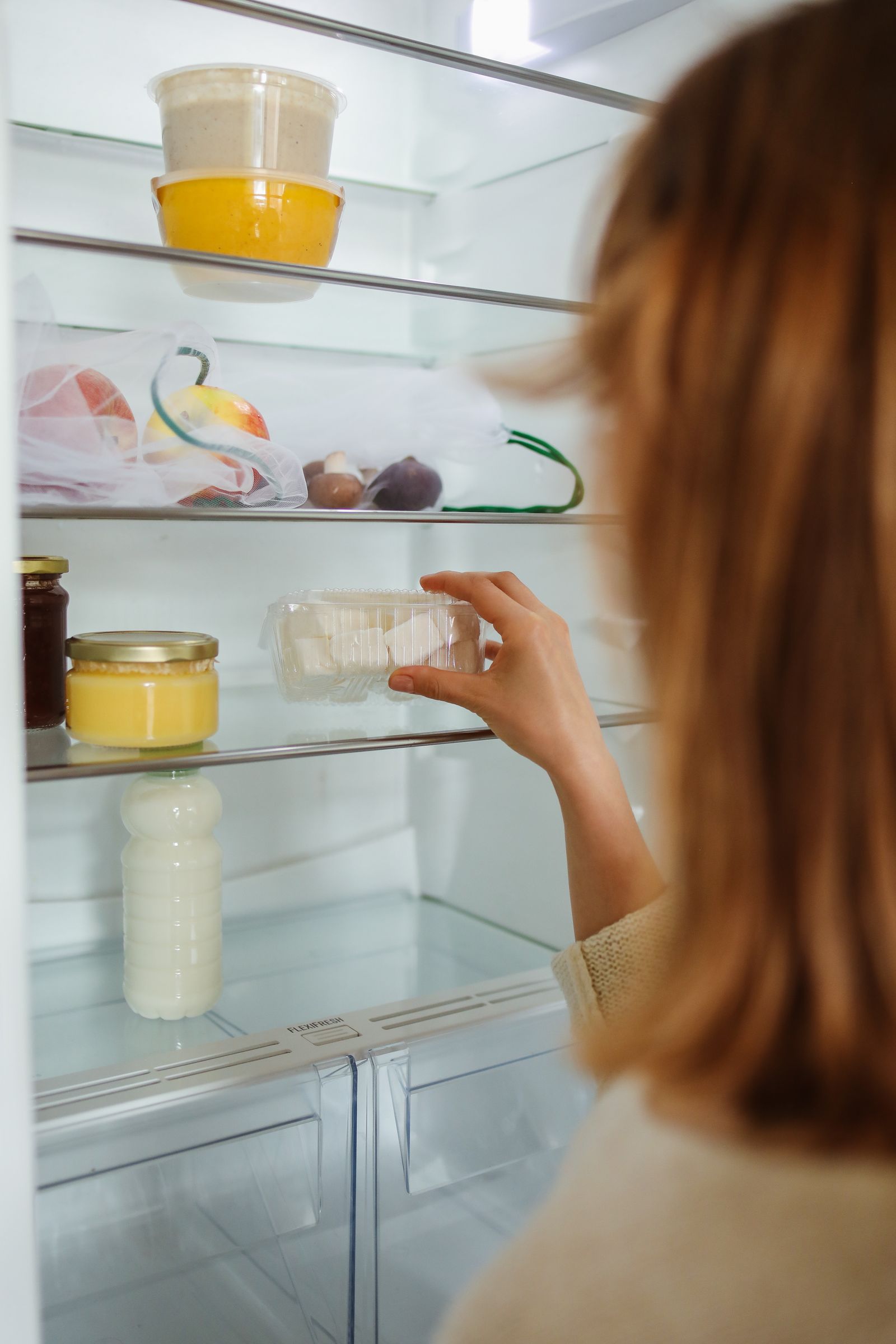
Look through the kitchen before shopping
One of the most useful food-waste habits happens before anything goes onto the grocery list. Look through the refrigerator, freezer, and pantry and identify what you already have plenty of, what needs to be used soon, and what could become part of the next few meals.
This does not need to be a complete inventory. The goal is to notice the things most likely to disappear from memory: half-used vegetables, open dairy, leftovers, bread, herbs, cooked grains, and ingredients purchased for a previous recipe.
If potatoes are beginning to age, plan a meal that uses them. If several vegetables remain from the previous week, consider soup, pasta, stir-fry, or a sheet-pan dinner before buying another group of vegetables. The kitchen should become the starting point for the next grocery trip.
Plan some meals around ingredients instead of recipes
Recipes normally tell us what ingredients to buy. When the goal is to waste less food, it is often more useful to reverse the process. Choose something you already have and ask what meals could use it.
Half a container of sour cream could point toward baked potatoes, tacos, a sauce, or another dish that uses it. Fresh herbs can finish eggs, soup, pasta, grain bowls, or roasted vegetables. Bread can become sandwiches, toast, croutons, breadcrumbs, or French toast depending on where it is in its useful life.
This approach is especially valuable for ingredients sold in larger quantities than one recipe requires. Thinking about the second use before buying the ingredient prevents a small leftover amount from becoming an automatic future discard.
Create a visible use-first area
Food is much easier to forget when it is spread across several shelves and drawers. Choose one visible refrigerator area for ingredients that should be eaten soon and move food there when it needs attention.
That area might hold leftovers, open packages, cut fruit, ripe produce, a half-used ingredient, or something you already know should become tomorrow's lunch. When someone looks for food, the use-first area becomes the obvious place to check before opening something new.
The system works because it relies on visibility instead of memory. It does not need labels, bins, or matching containers. A small designated space can be enough to prevent several forgotten foods each week.
Understand the difference between plans and possibilities
Buying groceries for seven carefully selected recipes can sound organized, but it leaves little room for real life. A meal may produce more leftovers than expected. Someone may not be home. A schedule may change. One night may simply not need a full dinner.
Instead of planning every meal with equal certainty, choose several definite dinners and keep a few flexible possibilities in reserve. Tortillas, cheese, eggs, pasta, rice, canned tomatoes, frozen vegetables, potatoes, bread, and beans can become many different meals without committing you to one exact recipe.
Flexible food gives you room to respond to what the household actually needs that week. It also reduces the number of specialty ingredients waiting for a single planned meal that may never happen.
Use the freezer before food becomes a problem
The freezer is most useful before food is already at the edge of being unusable. If you know you will not finish something in time, freezing it early preserves more quality and gives you more options later.
Bread, cooked meat, soup, chili, casseroles, cooked rice, sauces, broth, baked goods, and many leftovers can often be frozen successfully when handled and stored appropriately. Some chopped vegetables can also be frozen for later cooked dishes even if their texture will no longer be suitable for eating raw.
Label food with the name and date. An unidentified frozen container may technically be saved, but if nobody remembers what it is, it has only been moved from one kind of waste to another.
Keep a simple freezer list
Freezers hide things extremely well. A container placed behind several packages can disappear from memory for months. A short list on the refrigerator, in a notebook, or on your phone makes frozen food much easier to use.
You do not need to record every ice cube and bag of vegetables. Track the things that are easiest to forget: two portions of soup, extra buns, cooked shredded chicken, one container of pasta sauce, frozen berries, or leftover casserole. Cross items off when they are used.
A simple list turns the freezer back into usable storage. It is especially helpful before meal planning because it may reveal that part of next week's food is already prepared and paid for.
Buy smaller amounts when that is the better value
The largest package is not always the cheapest choice in practice. A bigger container may cost less per ounce, but it only saves money if the food is actually used. If half of it is consistently thrown away, the smaller package may be the better purchase.
This matters most for foods with shorter useful lives or foods your household uses only occasionally, such as fresh herbs, certain produce, specialty cheeses, bakery items, dairy products, and ingredients bought for a single recipe.
Pay attention to what is repeatedly left behind. Real household consumption is a better guide than the unit price printed on the shelf when the larger quantity regularly becomes waste.
Make leftovers easier to become another meal
Some leftovers are much more appealing when they become something different. Roasted chicken can move into soup, sandwiches, pasta, quesadillas, or a rice bowl. Cooked vegetables can go into eggs, soup, pasta, rice, casseroles, or wraps. Rice can become fried rice or part of a bowl.
This does not mean every leftover needs an elaborate transformation. Sometimes serving the food in a different format is enough. A small portion of meat that looks insufficient as a second dinner may be plenty when combined with rice, vegetables, beans, and a sauce.
It also helps to store components separately when possible. Plain rice, vegetables, meat, and sauce are often easier to reuse than a completely assembled meal because each component can move in a different direction later.
Use fragile produce earlier in the week
Different fruits and vegetables have very different useful lives. Berries, leafy greens, fresh herbs, ripe fruit, and other delicate produce usually deserve attention before potatoes, carrots, cabbage, frozen vegetables, and pantry ingredients.
When you return from grocery shopping, assign the most fragile ingredients to earlier meals. Later dinners can rely more heavily on foods that store well. This creates a natural order for the week without needing a complicated tracking system.
It also prevents a common pattern in which sturdy foods are used first because they are easy while delicate produce quietly deteriorates in a drawer. Ease matters, but urgency should usually win when deciding what needs to be eaten next.
Be cautious with aspirational groceries
Most households occasionally buy food for the week they hope they are going to have. Maybe everyone will eat a different fruit every morning, make smoothies every day, prepare elaborate lunches, or cook every evening. Sometimes that happens. Often it does not.
Look at the foods that repeatedly get thrown away. If salad greens are discarded almost every week, buying another large container because you intend to eat more salads may not be the best first step. Buy less and see whether it is actually finished. If certain fruit goes untouched, choose the fruit people naturally reach for.
Grocery shopping becomes more efficient when it reflects real habits instead of ideal ones. The goal is not to stop trying new foods. It is to notice when the same optimistic purchase repeatedly produces the same waste.
Schedule a leftover night
One evening each week can be intentionally left open. Instead of assigning another complete dinner, look at the refrigerator and combine what is already there. Two servings of pasta, one portion of soup, extra chicken, several vegetables, and half a loaf of bread may already be enough food for the household even if everyone is not eating the same thing.
A leftover night clears space before the next grocery trip and gives usable food a deadline. It also reduces the pressure to turn every remaining ingredient into a coordinated new recipe.
If there are not enough leftovers, the open night can fall back on a simple pantry meal. The important part is avoiding an automatic new grocery purchase when the kitchen may already contain most of what dinner needs.
Pay attention to what you repeatedly throw away
The trash can reveal patterns in the way you shop. You do not need a formal food-waste journal. Just notice the foods that keep appearing there. Do bananas regularly become overripe? Are the last hamburger buns always discarded? Does celery get purchased for one recipe and then sit untouched? Does cooked rice stay in the refrigerator too long?
Repeated waste usually has a practical solution. Buy fewer bananas at once. Freeze extra buns. Plan a second meal that uses celery. Freeze extra rice earlier. Choose a smaller container. Move leftovers to the front. Small changes tied to an actual pattern are more useful than trying to overhaul the entire kitchen at once.
The goal does not need to be a perfectly waste-free home. Plans change, produce occasionally spoils, and some meals do not turn out as expected. A better goal is simply to waste less than you used to by making food easier to see, remember, freeze, reuse, and finish.
More from the blog
Kitchen Organization
How to Organize a Freezer So Food Actually Gets Used
A useful freezer is not the one packed most efficiently. It is the one where you can see what you have, find it quickly, and turn it into dinner before it disappears under newer food.
Everyday Kitchen
How to Make Leftovers Feel Like a New Meal
Leftovers are easiest to use when they are treated as ingredients, not repeats. A few small changes in texture, seasoning, and format can turn yesterday's dinner into something that feels new.