
Desserts
Dessert Recipes
Dessert recipes for cookies, cakes, bars, pies, fruit desserts, and baked treats, with practical guidance for pan sizes, substitutions, and scaling.
Desserts reward a little more precision than many savory recipes. Measuring carefully, using the pan size the recipe expects, and paying attention to visual doneness cues can matter as much as the ingredient list itself.
For baking, avoid changing several structural ingredients at once. Flour, eggs, sugar, fat, and leavening each affect texture in different ways, so a substitution that looks small on paper can change spread, rise, moisture, or tenderness.
When scaling a dessert, pan area matters. Doubling batter into a pan that is only slightly larger creates a deeper layer and changes baking time. Use the pan conversion guide before moving a recipe into a different shape or size.
Practical notes
Before you start cooking
Measure before you mix
Baking moves quickly once wet and dry ingredients come together. Measuring everything first makes it easier to follow the method without overmixing or forgetting an ingredient.
Use the stated pan size when possible
Pan dimensions change batter depth and therefore baking time. If you need to substitute a pan, compare surface area and start checking doneness earlier or later as appropriate.
Change one structural ingredient at a time
A single tested substitution is easier to predict than changing flour, fat, sugar, and eggs all at once. Use the substitution guide as a starting point and expect texture to change when the swap is substantial.
Kitchen reference
Helpful guides for this collection
Baking reference
Baking Pan Size Conversion Guide
How to compare baking pan sizes by area, substitute common round and square pans, and adjust batter depth and baking time without guessing.
Ingredient swaps
Practical Baking Substitutions Guide
A realistic baking substitution guide explaining which swaps usually work, which change texture, and when it is better to choose another recipe.
Recipe scaling
How to Double or Halve a Recipe
How to scale recipes up or down without blindly doubling cook times, including spices, eggs, pans, sauces, baked goods, and batch cooking.
Browse another category
Desserts
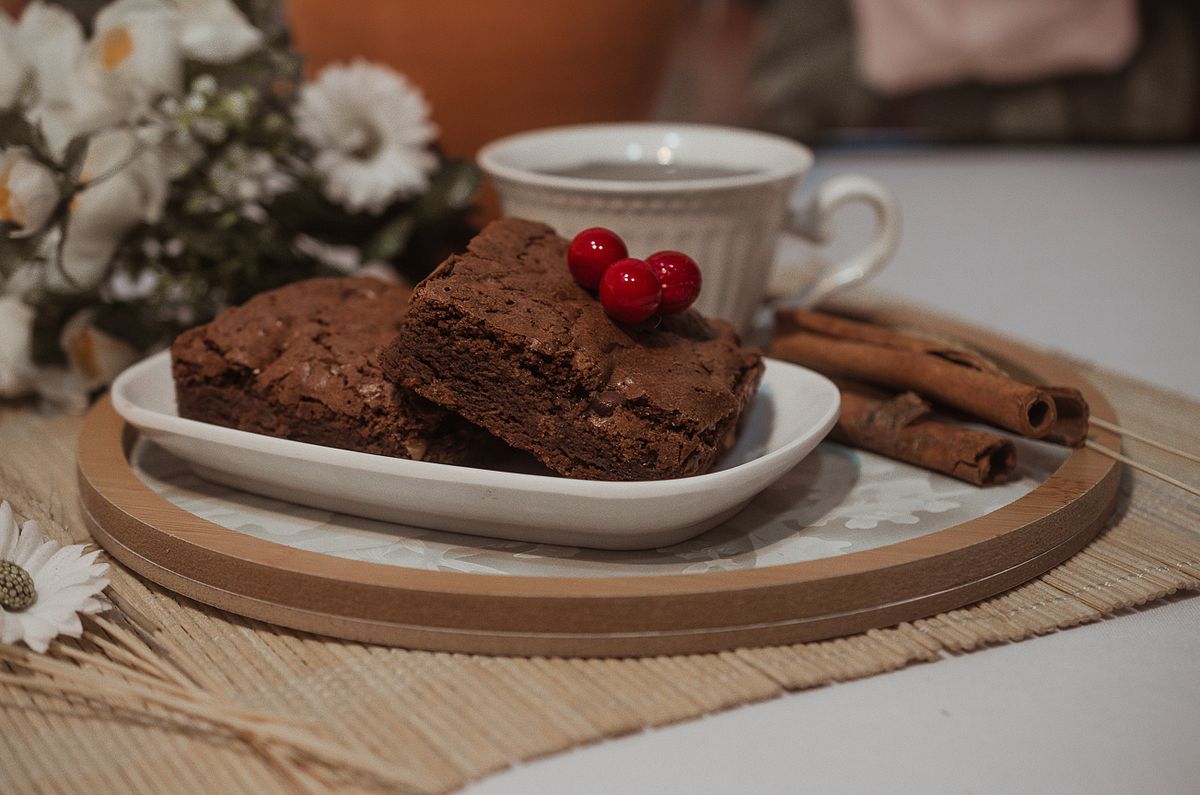
Fudgy Cocoa Brownies
Desserts
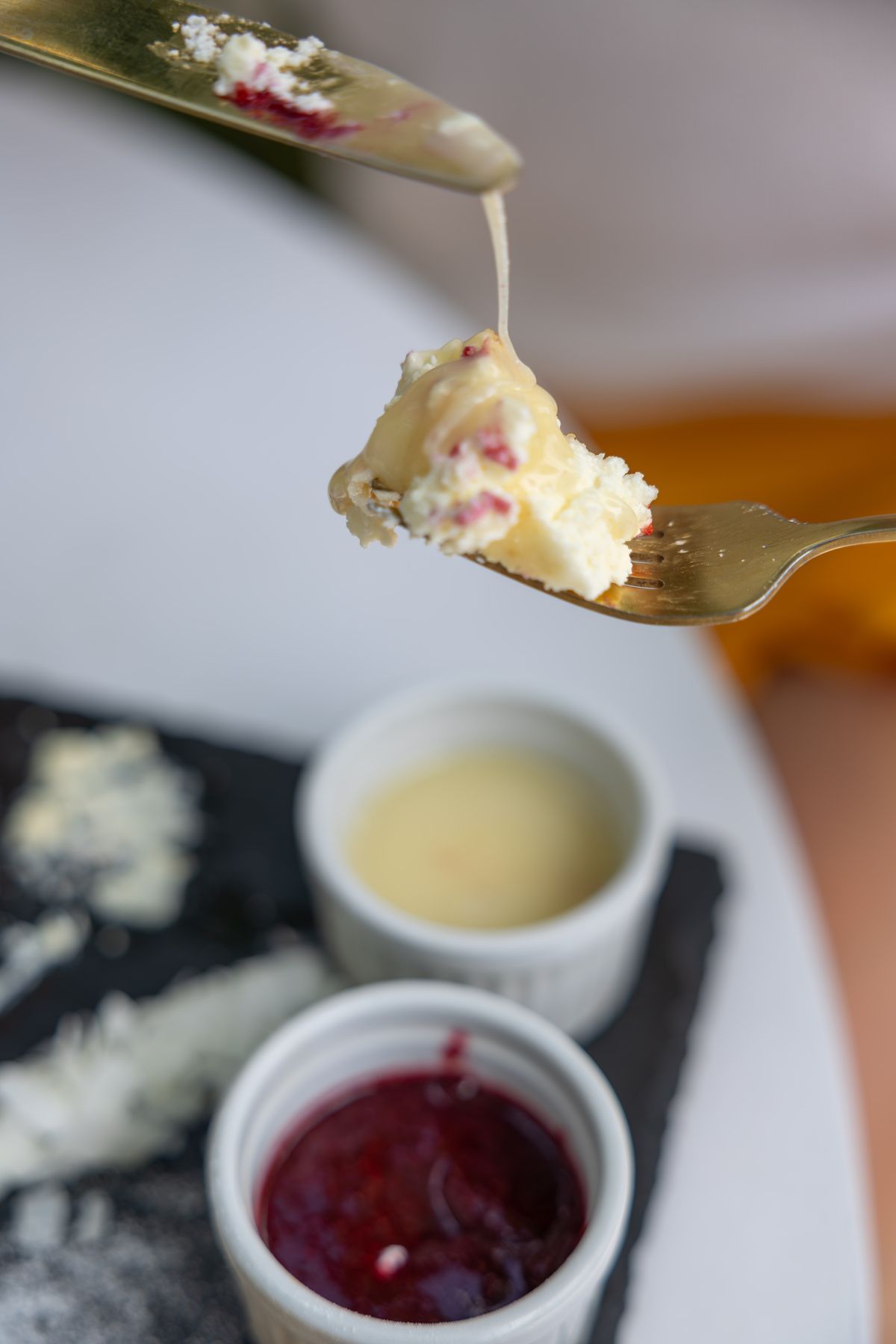
Classic New York Cheesecake
Desserts
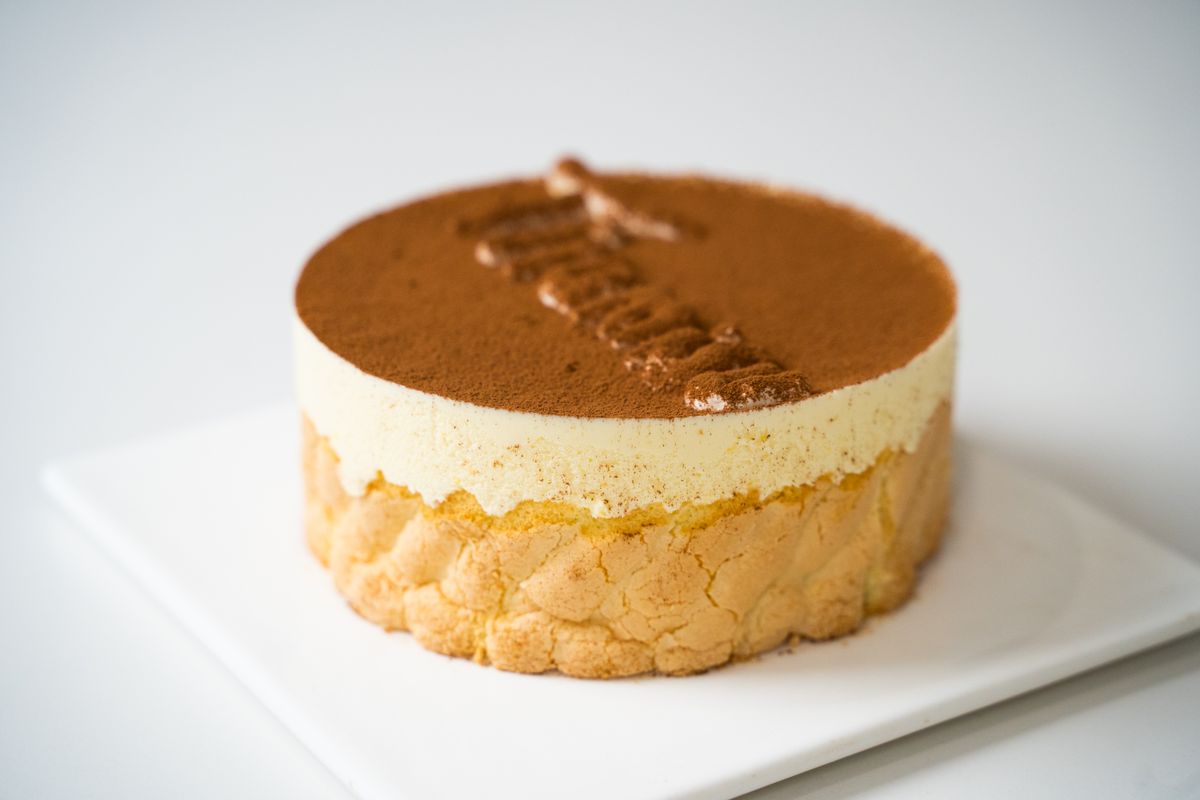
Classic Tiramisu
Desserts
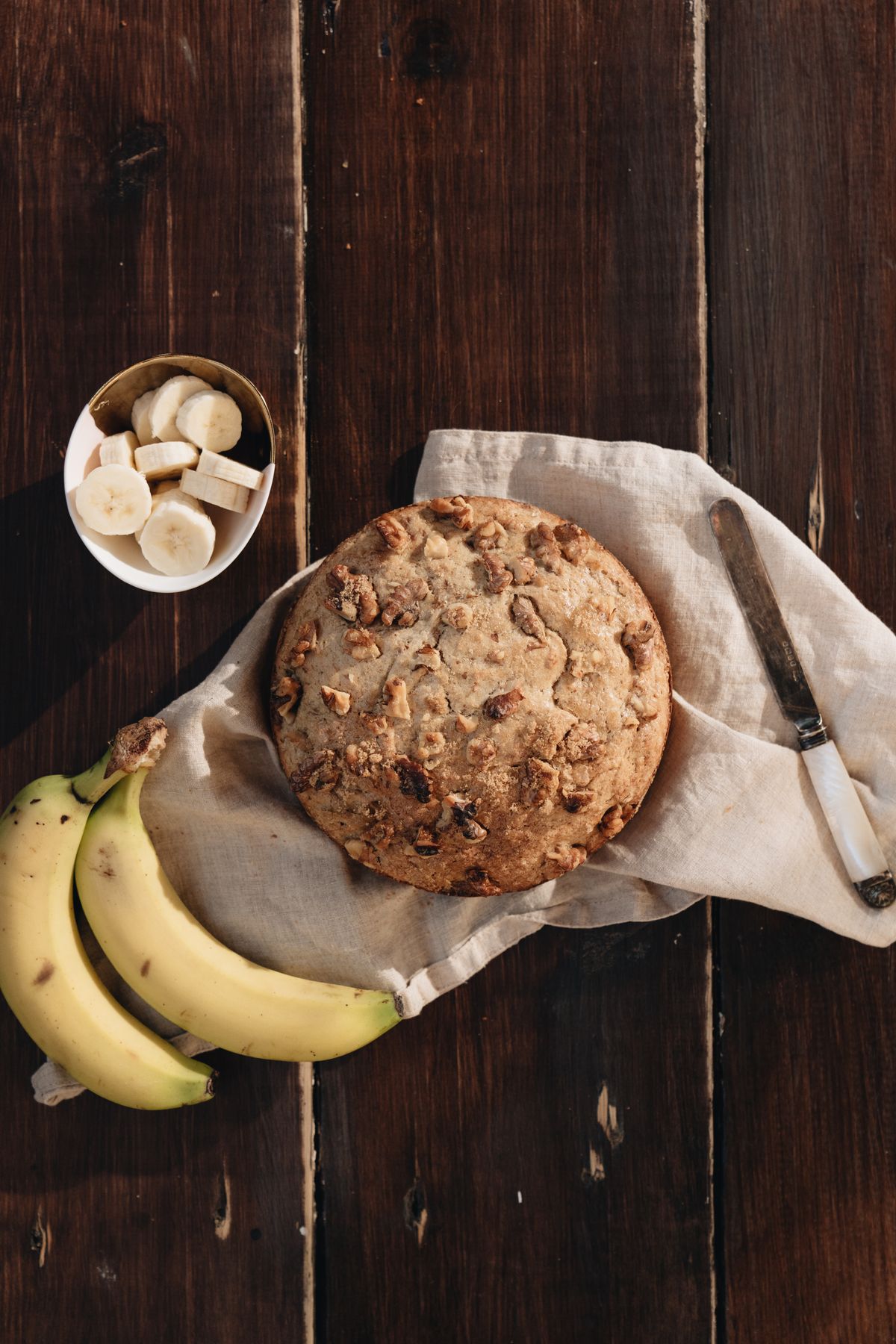
Brown Sugar Banana Bread
Desserts
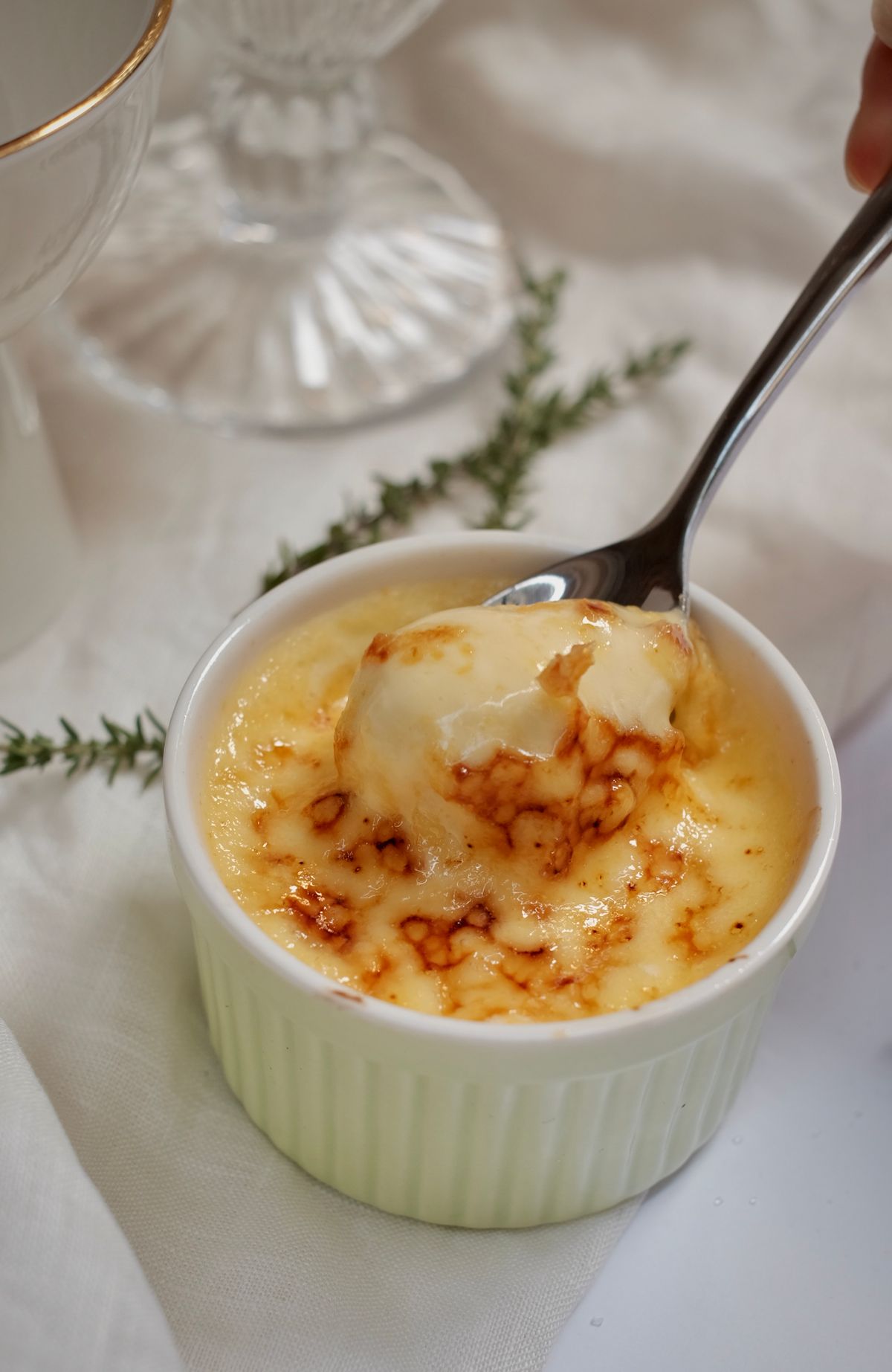
Vanilla Bean Crème Brûlée
Desserts
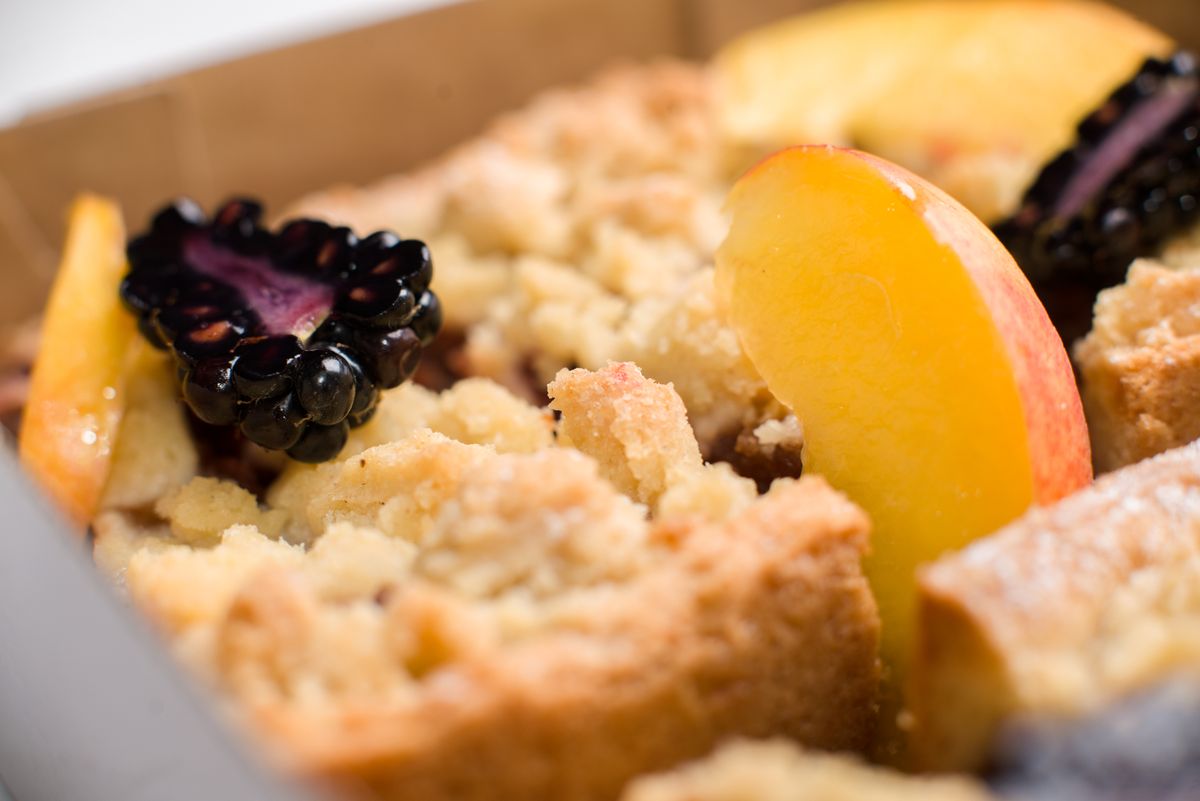
Skillet Peach Cobbler
Desserts
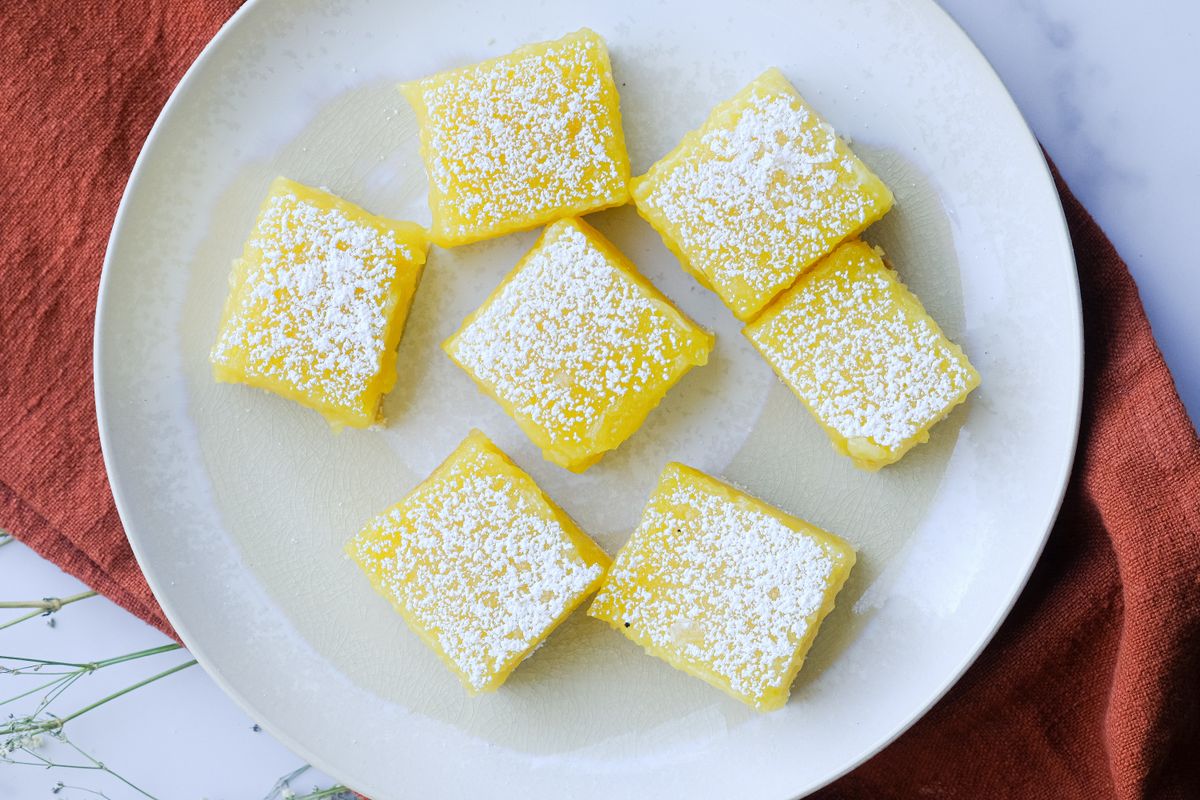
Tart Lemon Bars
Desserts
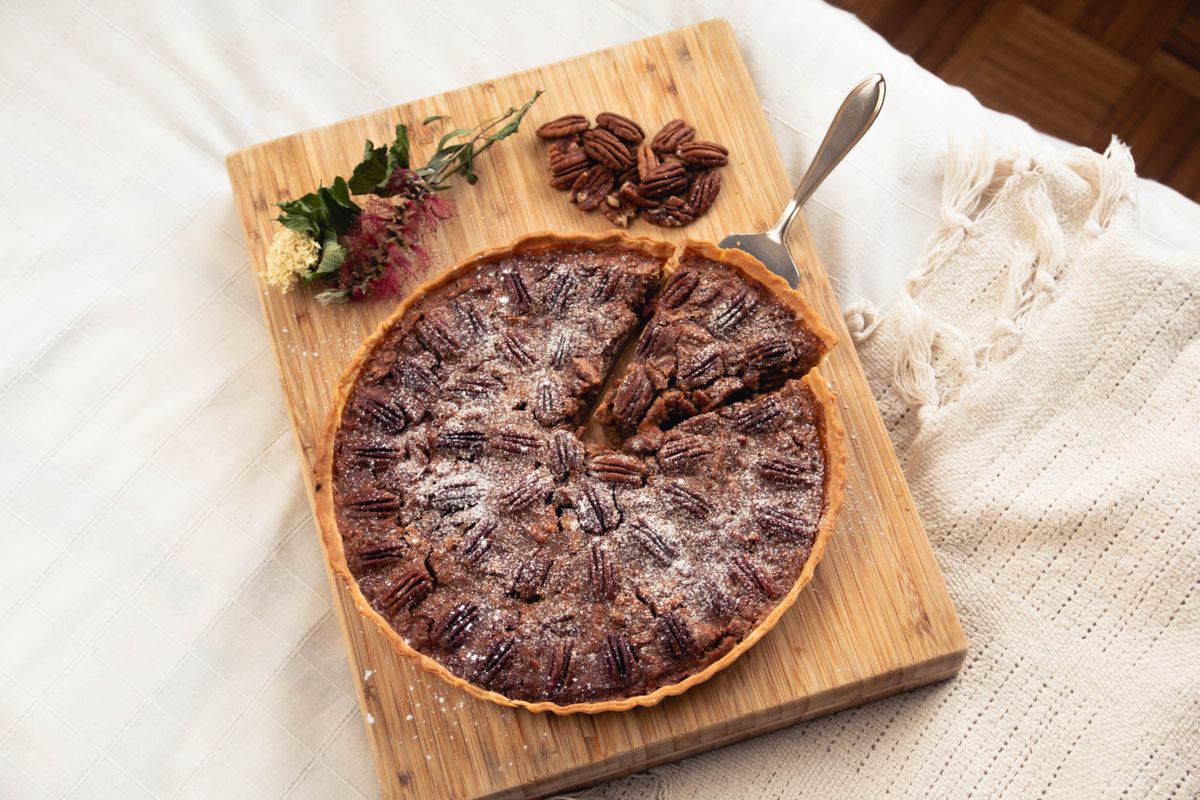
Southern Pecan Pie

Desserts
Strawberry Shortcakes
Desserts
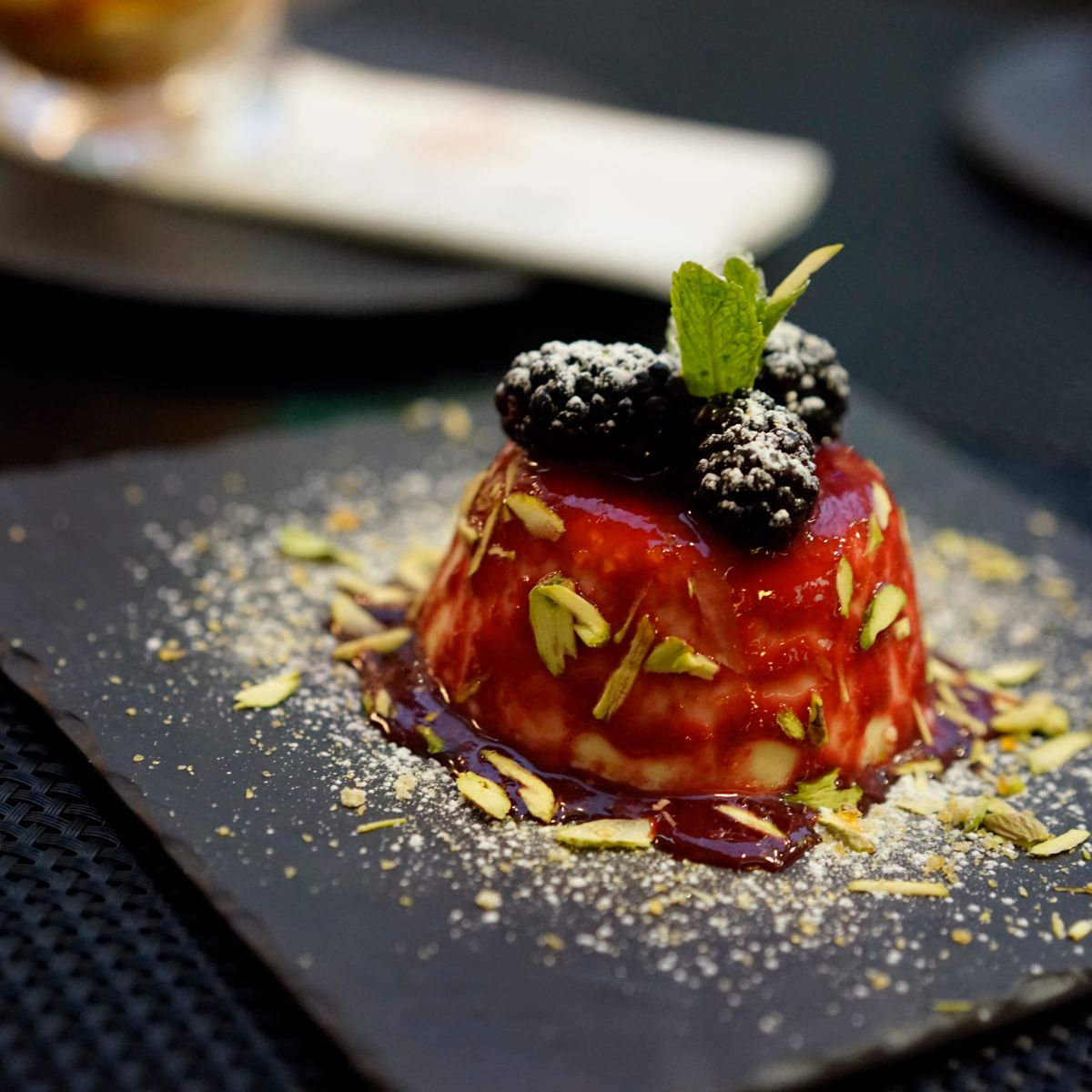
Vanilla Panna Cotta with Berries
Desserts
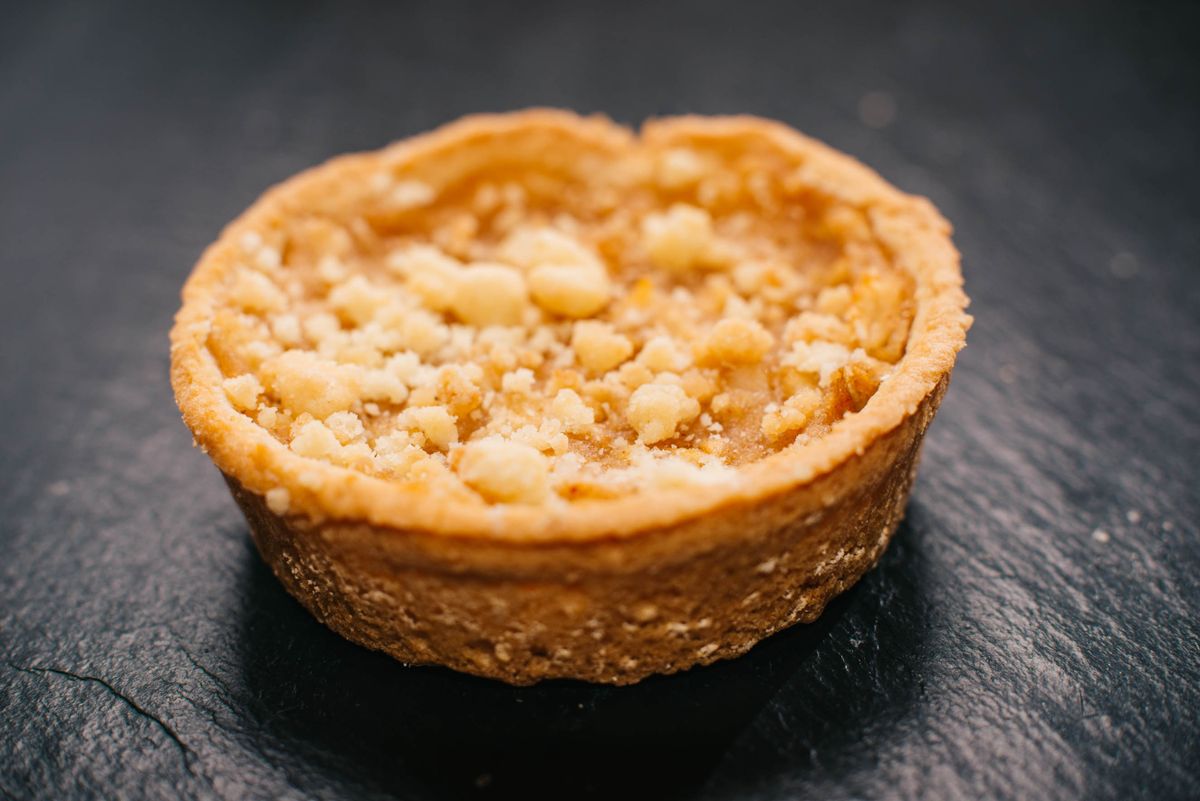
Cinnamon Apple Crumble
Desserts
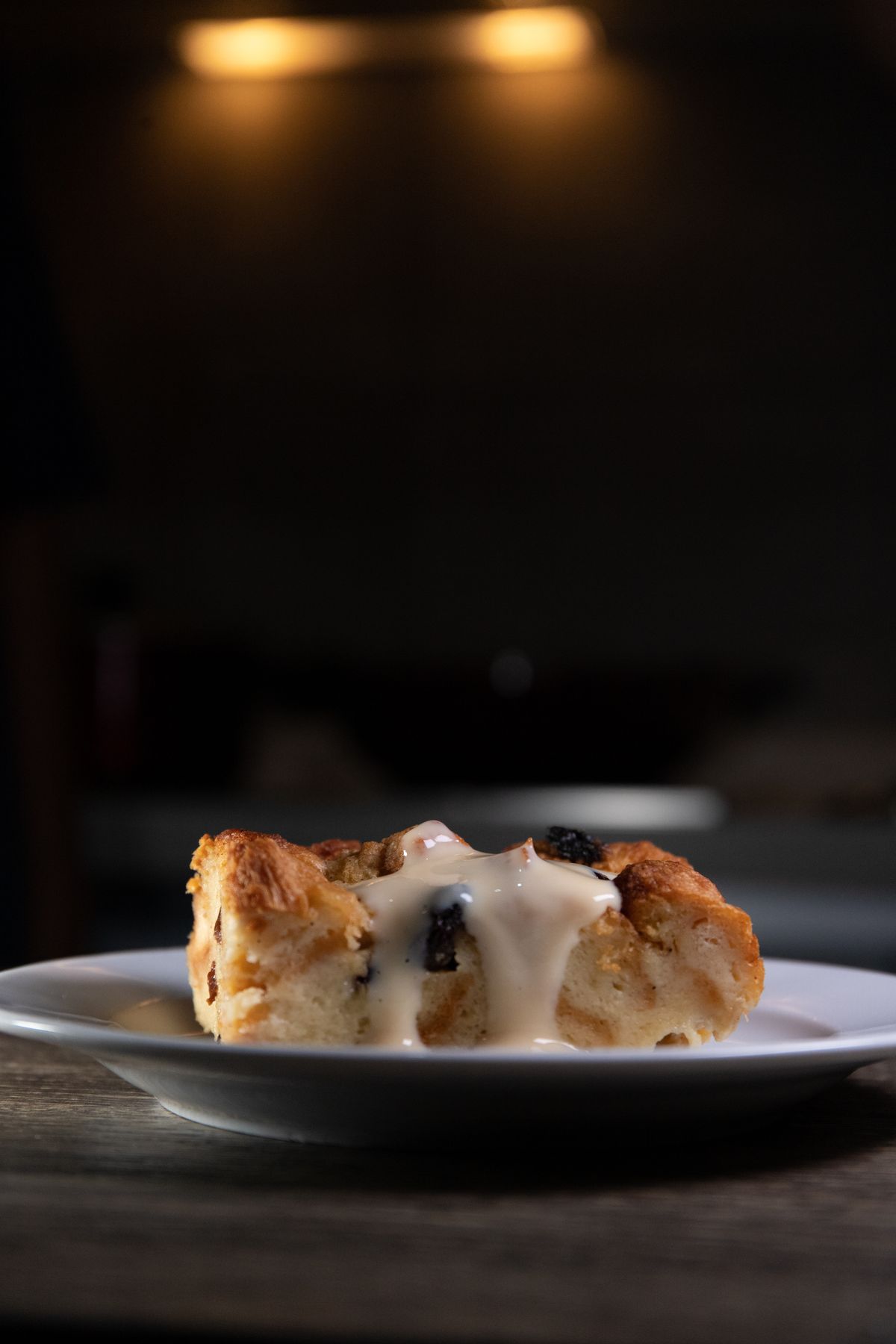
Salted Caramel Bread Pudding
Desserts
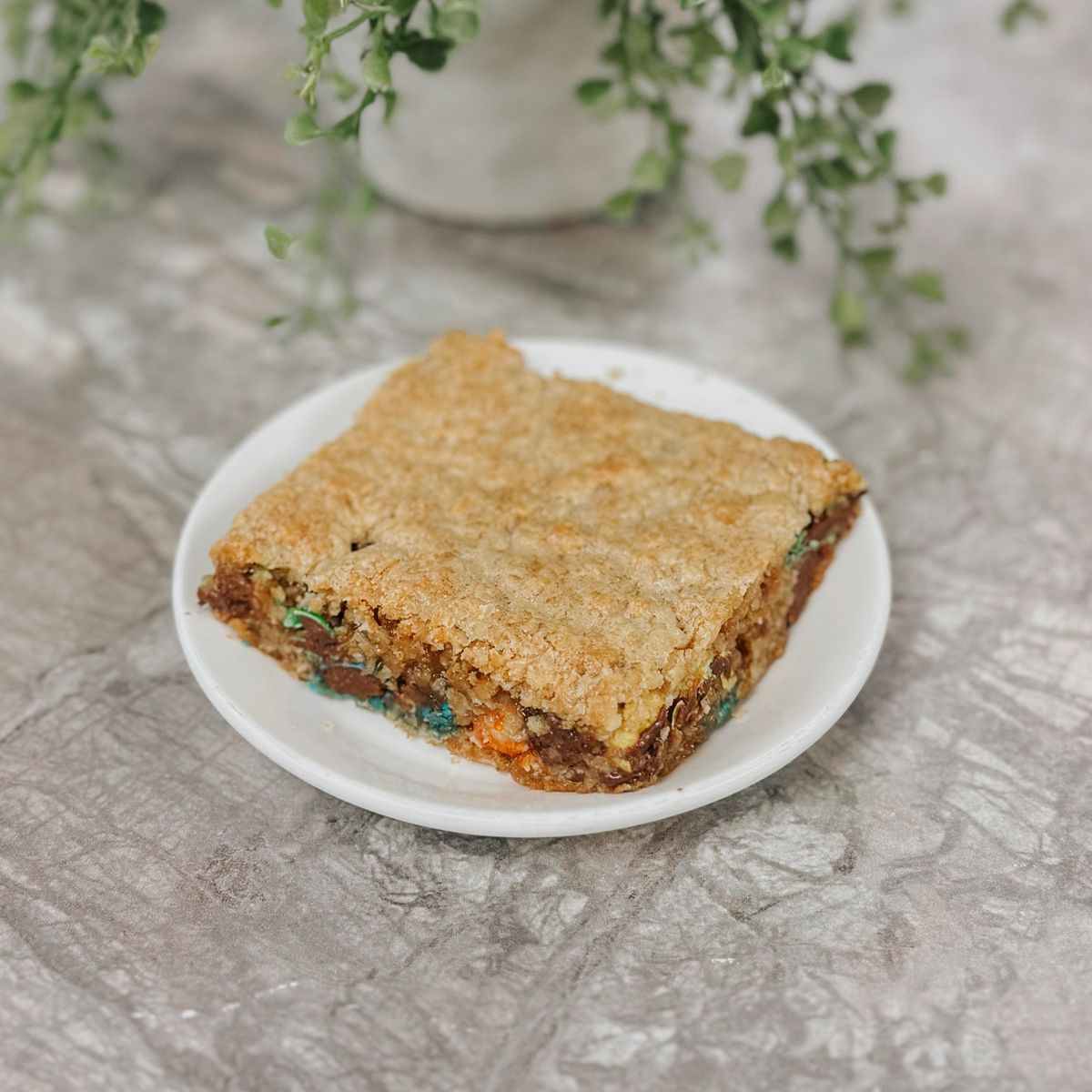
Chewy Cookie Bars
Desserts